
Sleep Divorce: What the Research Says About Separate Sleeping Arrangements
The American Academy of Sleep Medicine's 2023 survey found that roughly one in three Americans sleep in a separate bed or bedroom from their partner at least some nights — a practice now commonly called a "sleep divorce." Among millennials, the figure climbs to 43 percent. This isn't a fringe behavior anymore; it's a mainstream response to a specific, measurable problem: sharing a bed disrupts sleep for a large share of couples, and disrupted sleep has consequences that extend well beyond feeling tired.
What Actually Happens When You Share a Bed
Snoring is the most commonly cited driver of separate sleeping arrangements, and the data on its cost is specific: bed partners of snorers lose up to an hour of sleep per night, according to sleep clinic data compiled by the Sleep Foundation. But snoring is only part of it. A bed partner's movement, temperature preference, and sleep-wake schedule all intrude on the other person's sleep architecture — the natural progression through light sleep, deep sleep, and REM.
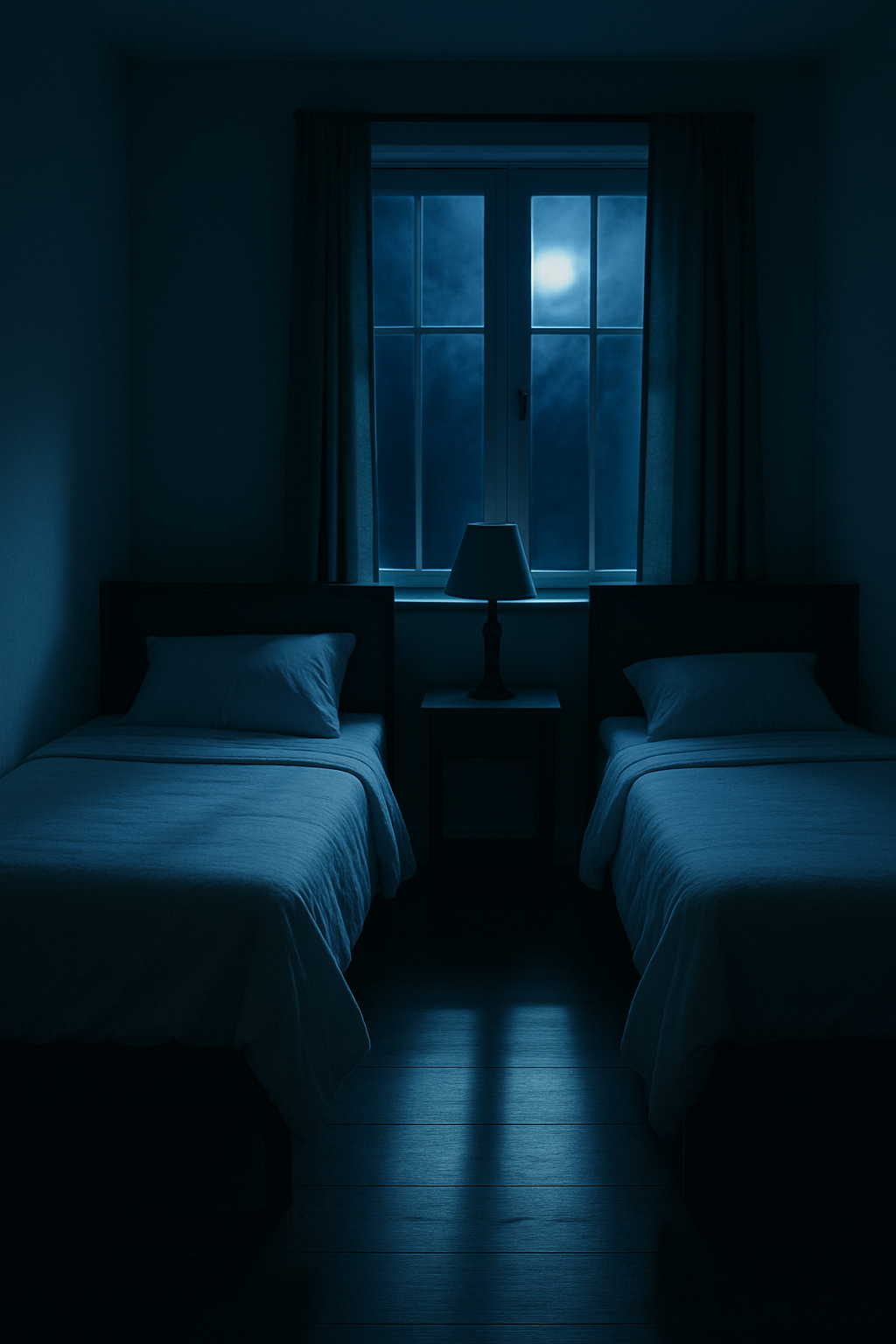
Dr. Wendy Troxel, a RAND Corporation sleep researcher and clinical psychologist, has spent over a decade studying what she calls "sleep concordance" in couples — whether partners are awake or asleep at the same time throughout the night. Her research, published in the journal Sleep, found that couples with higher sleep concordance report better relationship quality, while low concordance is linked to worse daytime relationship functioning. A related study from her group found that sleep-wake concordance is inversely associated with cardiovascular disease risk markers, suggesting the effects of shared sleep disruption reach beyond mood into physical health.
The Case for Sleeping Apart
Sleep Foundation data on self-reported outcomes found that 52.9 percent of adults who tried a sleep divorce reported improved sleep quality, gaining an average of 37 extra minutes of sleep per night. That's not a trivial amount — 37 minutes nightly compounds into meaningfully better cognitive performance, mood regulation, and metabolic health over weeks and months. For couples where one partner has a diagnosed condition like obstructive sleep apnea, restless leg syndrome, or a significantly misaligned chronotype, separate sleeping arrangements can resolve a problem that no amount of communication or compromise fixes, because the disruption is physiological, not behavioral.
The Case Against It — Or at Least, the Nuance
The research is not one-sided. A large study of over 1,000 adults found that people who slept with a romantic partner most nights had significantly better sleep continuity — measured as fewer awakenings and less fragmented sleep — than people who slept alone, along with lower insomnia severity scores. Feeling safe and co-regulated by a partner's presence appears to have its own physiological sleep benefit for many people, particularly around reducing anxiety-driven awakenings. Troxel's broader body of work also finds the relationship between sleep and intimacy runs both ways: couples who eventually returned to sharing a bed after a trial separation most often cited missing physical closeness as the reason, not sleep quality.
This is why researchers increasingly frame the shared-bed-versus-separate-beds question as person- and couple-specific rather than universal advice. If you're evaluating whether disrupted sleep is affecting your relationship, resources like Why We Sleep lay out the broader cost of chronic sleep debt on mood, memory, and conflict resolution — useful context before deciding what to change.
A Middle Path: Fixing the Disruption, Not the Arrangement
Before committing to separate bedrooms, sleep clinicians typically recommend isolating the specific disruptor. If snoring is the issue, a partner using earplugs — such as Mack's Ultra Soft Foam Earplugs — resolves the noise problem without separating the couple physically. If light sensitivity or differing wake times are the issue, a well-fitted sleep mask addresses it directly. If temperature mismatch is the driver — one partner runs hot, the other cold — a dual-zone mattress topper or simply separate blankets on a shared bed ("Scandinavian sleeping method") solves it without a full room split.
White noise is another underused fix: masking a partner's movement sounds and snoring with a consistent low-level sound reduces the number of micro-arousals per night. A dedicated machine like the LectroFan Classic uses non-looping white noise, which avoids the pattern-recognition wakefulness that looping soundtracks can trigger.
How to Decide
If you've tried targeted fixes — earplugs, a sleep mask, temperature solutions, separate blankets — and one partner is still consistently losing more than 30–45 minutes of sleep per night to the other's presence, the research supports trying a sleep divorce, at least part-time. Troxel's own recommendation, echoed across the sleep clinic literature, is to treat it as a practical health decision rather than a relationship verdict: many couples do it a few nights a week around high-stakes days (early meetings, travel recovery) while keeping shared sleep the default. The data suggests the label "sleep divorce" is misleading — for most couples who try it, it functions as a maintenance strategy, not an ending.
These are affiliate links — if you purchase, we earn a small commission at no cost to you. We only list products we've researched and believe in. Read our disclosure.