
The Science Behind Sleep Cycles (And Why 8 Hours Isn't Always Enough)
Most people have been told to get eight hours of sleep. But you've probably had nights where you slept eight hours and still woke up feeling like you'd been dragged through concrete. And then there are mornings after six and a half hours where you spring out of bed, clear-headed and ready. The difference isn't willpower. It's cycles.
The 90-Minute Architecture
Your brain doesn't sleep in one continuous state. It cycles through distinct stages approximately every 90 minutes: light sleep, deep slow-wave sleep, and REM (rapid eye movement) sleep. A full night of healthy sleep typically involves four to six of these cycles. Each cycle serves a different purpose — slow-wave sleep repairs the body and consolidates factual memories, while REM sleep processes emotions, makes creative connections, and clears metabolic waste through the glymphatic system.
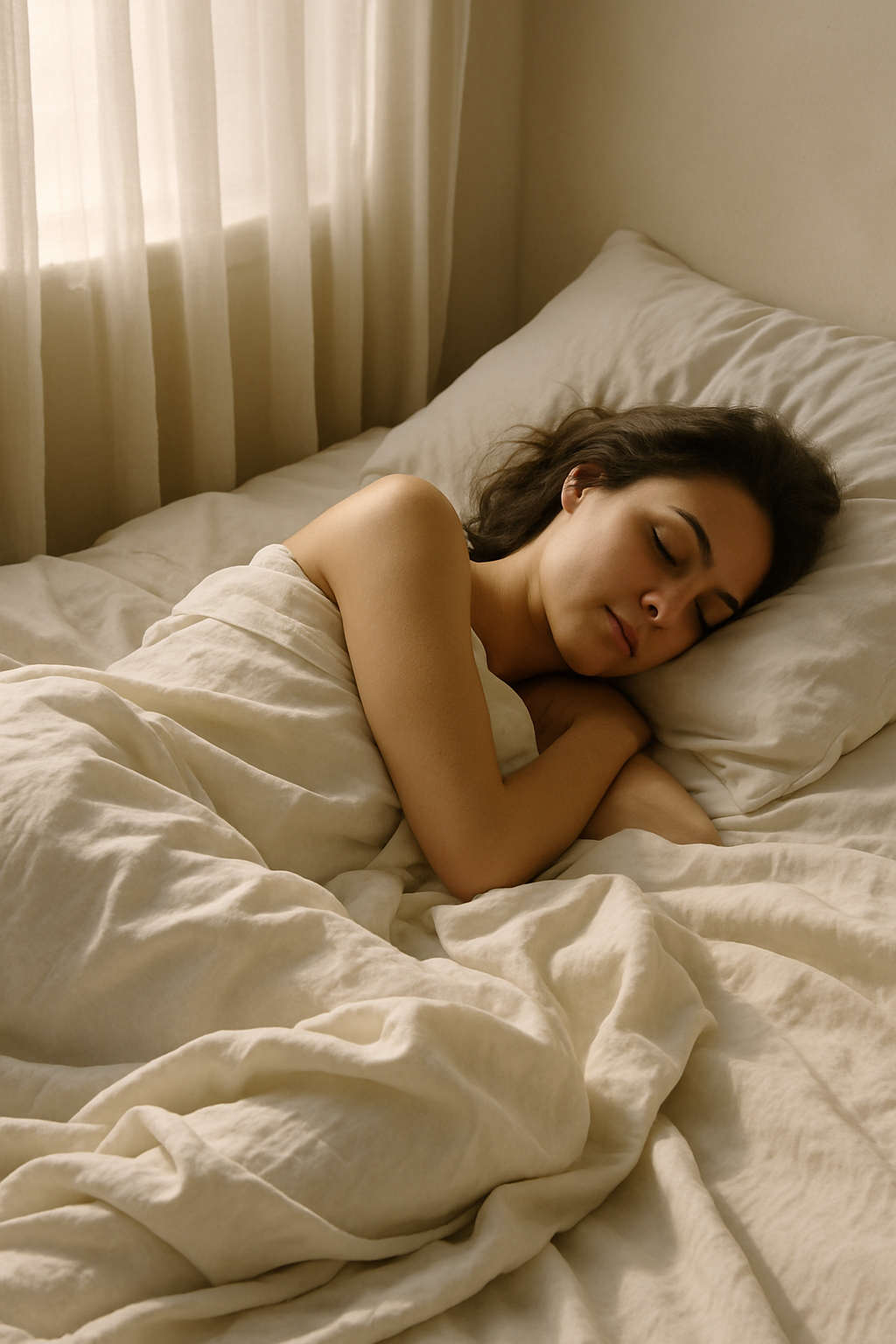
When your alarm cuts through a deep sleep stage, you experience sleep inertia — that thick, disoriented grogginess that can persist for 30 to 90 minutes. It's not that you didn't sleep enough. It's that you interrupted a cycle at the worst possible moment.
The Right Way to Calculate Bedtime
Instead of counting backwards eight hours from your alarm, count backwards in 90-minute blocks. If you need to wake at 6:30am, your optimal bedtimes are approximately 11pm (5 cycles), 12:30am (4 cycles), or 9:30pm (6 cycles). Yes, six and a half hours of complete cycles will often feel better than eight broken hours.
There are apps and smartwatch features that attempt to detect your sleep stages and wake you at the lightest phase within a window. The research on their accuracy is mixed — consumer-grade devices can't match polysomnography lab equipment — but the underlying principle is sound. A sunrise alarm like the Hatch Restore 2 uses gradual light rather than audio to wake you, which meaningfully reduces sleep inertia regardless of cycle timing.
What Disrupts Your Cycles
Alcohol is one of the most misunderstood sleep disruptors. It helps you fall asleep faster but severely suppresses REM sleep in the first half of the night, then causes fragmented, light sleep in the second half as your body metabolizes it. The net result is a night that feels long but cycles that are incomplete.
Blue light from screens delays melatonin secretion by one to three hours, pushing your sleep pressure later without pushing your biological clock later — a mismatch that compresses your cycles. Caffeine's half-life is five to six hours — a 3pm coffee still has half its dose in your system at 9pm, directly reducing slow-wave sleep depth.
Practical Protocol
For two weeks, track your sleep without an alarm on weekends. Most adults naturally sleep in five cycles — 7.5 hours. Use that as your target. Set a consistent wake time first (your circadian anchor) and work your bedtime backwards. Consistency in wake time does more for sleep quality than any supplement or gadget. For the full science, Why We Sleep by Matthew Walker remains the most thorough popular treatment of sleep architecture available.
If you wake at 3am and can't return to sleep, your cortisol may be rising prematurely — often linked to blood sugar instability or chronic stress. A small protein-based snack before bed (not carbohydrates) can help some people stabilize this pattern.
These are affiliate links — if you purchase, we earn a small commission at no cost to you. We only list products we've researched and believe in. Read our disclosure.