
Quercetin: The Flavonoid With Real Anti-Inflammatory and Immune Evidence
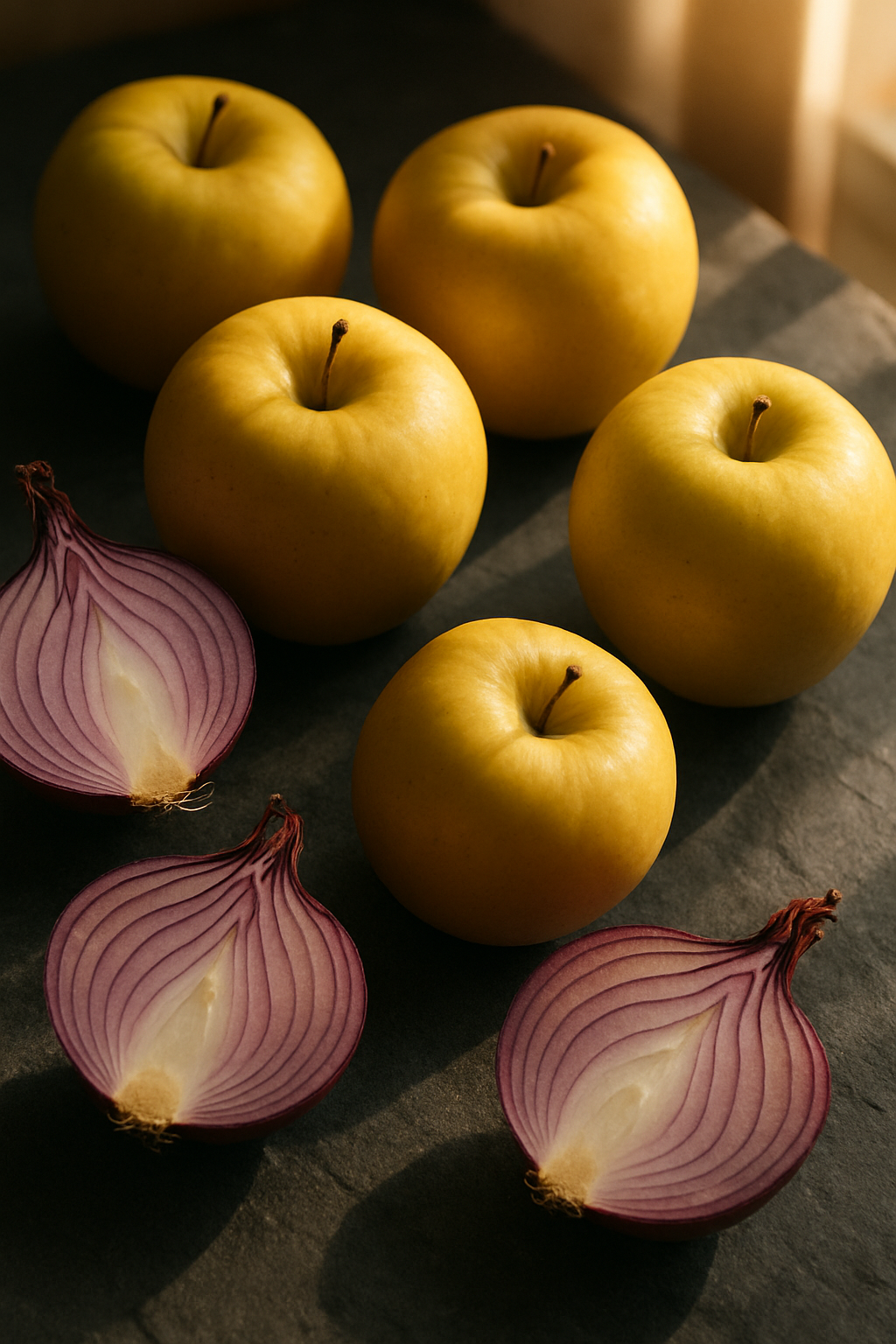
Quercetin is a plant flavonoid — a class of polyphenol found in significant concentrations in capers, red onions, kale, apples, and elderberries. Most people encounter it as a supplement marketed for allergies or immune support, and for once the marketing is not entirely disconnected from the mechanism. Quercetin has a well-characterized pharmacology: it inhibits pro-inflammatory enzymes, stabilizes the mast cells responsible for histamine release, and has demonstrated antiviral activity in multiple cell culture studies. The clinical human trial record is still developing, but what exists is more substantive than most plant compounds at this stage.
The Mechanism: How Quercetin Works
Quercetin acts on inflammation through several converging pathways. It inhibits lipoxygenase and cyclooxygenase — the same enzymes targeted by NSAIDs like ibuprofen — which reduces the production of inflammatory prostaglandins and leukotrienes. It downregulates NF-κB, the master transcription factor that controls the expression of dozens of pro-inflammatory cytokines including TNF-alpha and interleukin-6. And it directly stabilizes mast cell membranes, reducing the degranulation that triggers histamine release, which is the mechanism relevant to seasonal allergies.
A 2007 study published in the British Journal of Nutrition (Mlcek and colleagues) confirmed quercetin's mast cell stabilizing effects at physiologically achievable concentrations, and a 2016 review in Nutrients synthesized over 40 in vitro and animal studies confirming the NF-κB inhibition pathway. The picture that emerges is of a compound with multiple overlapping anti-inflammatory mechanisms rather than a single point of action.
Immune and Antiviral Activity
The most discussed aspect of quercetin in recent years has been its antiviral properties. A 2009 study by Roschek and colleagues in Phytochemistry found quercetin to be a potent inhibitor of H1N1 influenza in cell culture, with IC50 values in the micromolar range. Mechanistically, quercetin appears to interfere with viral binding to host cell receptors and with intracellular viral replication. Studies have also documented activity against rhinoviruses and a range of other RNA viruses, though human clinical trial data on quercetin for acute viral illness remains limited.
What is more established from human studies is quercetin's effect on upper respiratory tract infections in athletes undergoing high training loads. A 2007 randomized controlled trial published in the International Journal of Sport Nutrition and Exercise Metabolism (Nieman et al.) found that cyclists supplementing with 1,000mg quercetin per day for three weeks showed a 36% reduction in upper respiratory tract infections compared to placebo in the two weeks following intensive training — a period when immune suppression is well documented. This is the clearest human evidence to date for immune-protective effects under physiological stress.
The Bioavailability Problem
Standard quercetin aglycone — the free form — has poor oral bioavailability. Estimates range from 2% to 17% depending on formulation and the presence of other food components. The compound is partially absorbed in the small intestine and partially processed by colonic microbiota into metabolites, some of which retain biological activity. But the inconsistency in absorption makes dosing unreliable with standard formulations.
Several approaches improve this substantially. Quercetin glycosides — the form found naturally in onions and apples — are generally better absorbed than the aglycone. Combining quercetin with bromelain, the proteolytic enzyme from pineapple, improves absorption and adds synergistic anti-inflammatory activity. NOW Foods Quercetin with Bromelain uses this pairing at 800mg quercetin per serving, and is one of the most studied mass-market combinations in the category.
The most significant advance is the phytosome technology developed by Indena, which binds quercetin to phospholipids. A pharmacokinetic study published in the Journal of Agricultural and Food Chemistry found that quercetin phytosome (sold under the brand name Quercefit) produces 20 times higher plasma quercetin concentrations than unformulated quercetin at equivalent doses. Thorne's Quercetin Phytosome uses this technology, which meaningfully changes the dose-response relationship.
Quercetin and Cardiovascular Health
A 2007 randomized controlled trial in the Journal of Nutrition (Egert and colleagues) found that supplementation with 150mg per day of quercetin for 6 weeks significantly reduced systolic blood pressure by 2.6 mmHg in hypertensive participants, reduced LDL oxidation by 11%, and lowered plasma concentrations of cardiovascular risk markers. A 2016 meta-analysis in the British Journal of Nutrition confirmed a statistically significant reduction in systolic blood pressure across 7 trials, with the effect strongest in participants over age 45 and at doses above 500mg per day.
The mechanism likely involves nitric oxide bioavailability — quercetin inhibits the enzyme that degrades endothelial nitric oxide synthase, preserving vascular tone — alongside its antioxidant protection of LDL particles from oxidative modification. These are not marginal effects, and they emerge from well-designed human trials rather than cell culture extrapolations.
Synergies Worth Knowing
Quercetin's antioxidant activity is enhanced by vitamin C, which regenerates oxidized quercetin back to its active form — an established mechanism in flavonoid chemistry. The combination also appears synergistic for antiviral effects. Zinc is another compound quercetin interacts with: quercetin functions as a zinc ionophore, facilitating zinc transport across cell membranes into cells where zinc inhibits viral RNA replication. This is the mechanism behind what was studied extensively in COVID-19 cell culture research, though clinical trial results have been mixed.
Practical dosing in human trials has ranged from 150mg to 1,000mg per day. The lower end applies to cardiovascular and antioxidant goals where bioavailability-enhanced forms are used. The higher end applies to immune applications, particularly around exercise stress. Life Extension Bio-Quercetin uses a phytosome-based format at a lower per-capsule dose, making it suitable for daily baseline use rather than acute immune loading.
Safety and Considerations
Quercetin has an excellent safety profile in human trials up to 1,000mg per day for 12 weeks, with no significant adverse effects documented in the literature. At very high doses (above 1g per day), there are theoretical concerns about quercetin inhibiting cytochrome P450 enzymes involved in drug metabolism — a relevant consideration for anyone on anticoagulants or chemotherapy agents. The standard supplemental range is well below this threshold. Quercetin also crosses the blood-brain barrier and has demonstrated neuroprotective effects in animal models, though the human data in cognitive outcomes is not yet developed enough to make strong claims.
These are affiliate links — if you purchase, we earn a small commission at no cost to you. We only list products we've researched and believe in. Read our disclosure.