
Psyllium Husk: What the Evidence Actually Says
Psyllium husk is one of the few supplements with an FDA-authorized health claim behind it: since 1998, products delivering at least 7g of soluble fiber per day from psyllium can legally state that they may reduce the risk of coronary heart disease. That's a higher evidentiary bar than almost anything else sold in a supplement aisle. Ground from the seed husks of the Plantago ovata plant, psyllium forms a gel when it absorbs water — which is the mechanism behind essentially every benefit attributed to it, from cholesterol reduction to blood sugar control to regularity.
Cholesterol: The Strongest Evidence
A 2015 meta-analysis of 28 randomized controlled trials, published in the American Journal of Clinical Nutrition by Gibb and colleagues, found that roughly 7g/day of psyllium fiber lowered LDL cholesterol by an average of 6 to 7 percent compared to placebo. The mechanism is fairly well understood: the gel binds bile acids in the intestine, forcing the liver to pull more cholesterol out of circulation to synthesize replacement bile acids. This is also why psyllium has been used for decades as an adjunct to statin therapy rather than a replacement for it — the effect sizes are meaningful but modest next to prescription-strength LDL reduction.
Blood Sugar and Post-Meal Spikes
Because the gel slows gastric emptying and physically traps carbohydrate molecules, psyllium taken before or with a carbohydrate-heavy meal blunts the resulting glucose spike. Several trials, including work summarized in the same Gibb meta-analysis, found reductions in fasting blood glucose and improved glycemic control in people with type 2 diabetes when psyllium was added to standard treatment. The effect is dose- and timing-dependent — taken well before the meal rather than with it, the viscosity-lowering benefit is smaller, since the gel needs to be present in the gut alongside the food to slow its absorption.
IBS and Bowel Regularity
A widely cited 2009 randomized trial in the BMJ by Bijkerk and colleagues compared psyllium, bran, and placebo in patients with irritable bowel syndrome and found psyllium significantly reduced symptom severity, while bran actually worsened symptoms in a meaningful subset of participants. This distinction matters because psyllium is a soluble, gel-forming fiber, while wheat bran is largely insoluble and can be more irritating to a sensitive gut. For general constipation, psyllium increases stool water content and bulk without the harsh stimulant action of laxatives like senna, which is why gastroenterologists generally recommend it as a first-line option before escalating to other treatments.
Dosing and Timing
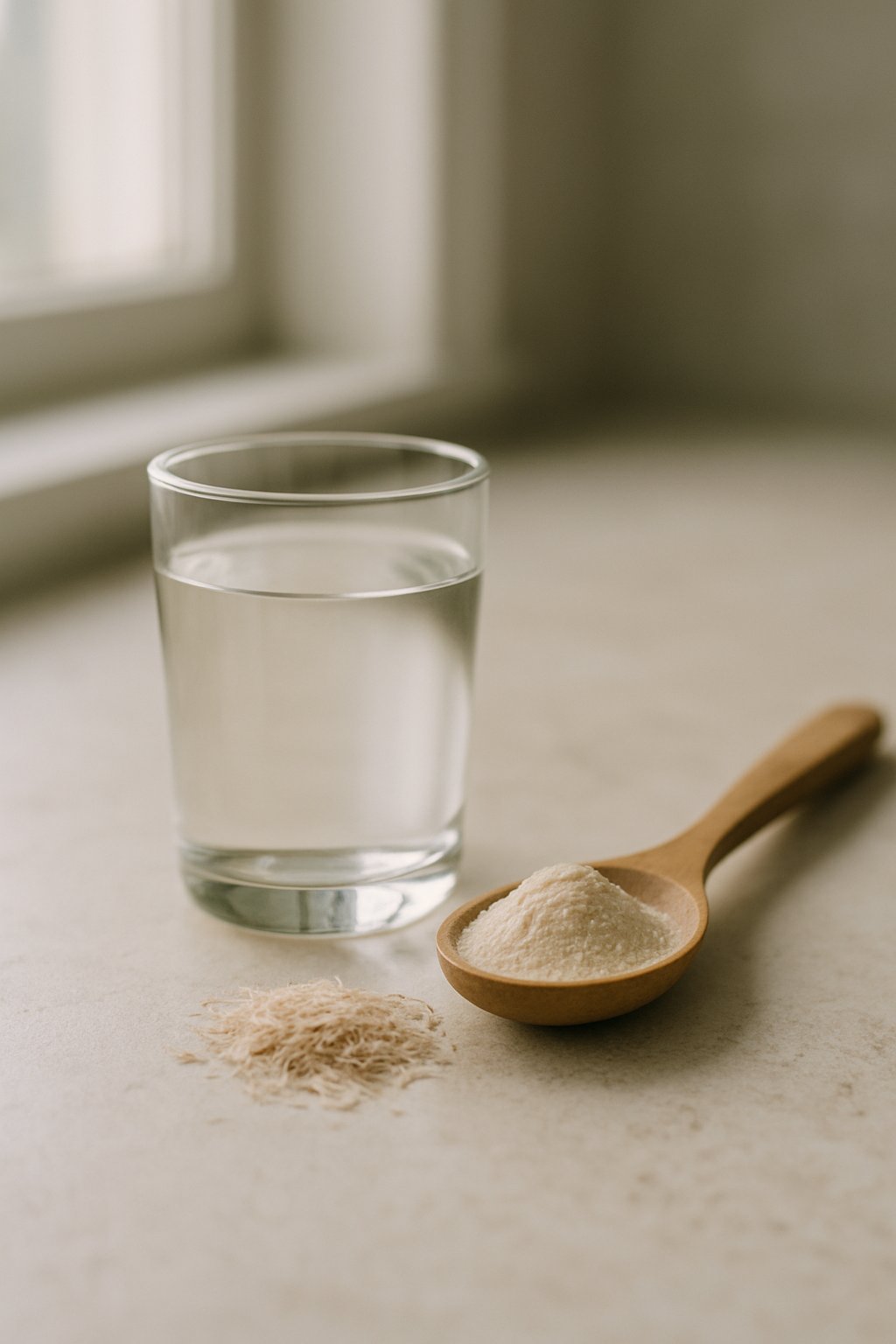
Most trials use 5 to 10g once or twice daily, mixed into at least 8 ounces of water or another liquid and consumed immediately — psyllium continues absorbing water after mixing, and letting it sit too long turns it into an unpleasant gel in the glass rather than in your gut. Start at the low end of that range; a common mistake is jumping straight to a full dose, which reliably causes bloating and gas as gut bacteria adjust to the new fiber load. Give it a week at a lower dose before increasing. Metamucil's sugar-free psyllium powder is a convenient way to standardize dosing since each scoop is measured.
Who Should Be Careful
Psyllium must always be taken with adequate water — taking it dry or with too little liquid has, in rare cases, caused esophageal or intestinal obstruction, particularly in people with swallowing difficulties. It can also reduce the absorption of certain oral medications, including lithium, carbamazepine, and some antidepressants, by physically binding them in the gut; the standard advice is to separate psyllium from other medications by at least two hours. Anyone with a diagnosed bowel obstruction, esophageal stricture, or difficulty swallowing should avoid it entirely and talk to a doctor about alternatives. NOW Foods' unflavored psyllium husk powder is a simple, additive-free option for people managing medication timing carefully.
These are affiliate links — if you purchase, we earn a small commission at no cost to you. We only list products we've researched and believe in. Read our disclosure.