
PQQ and Mitochondrial Health: What the Research Actually Says
Pyrroloquinoline quinone — PQQ — spent decades as a footnote in microbiology before researchers noticed something unusual in a 2010 rodent study published in the Journal of Biological Chemistry: mice deprived of dietary PQQ showed measurably reduced mitochondrial density in their tissue, and supplementing it back triggered new mitochondrial growth. That finding, mitochondrial biogenesis from a micronutrient most people have never heard of, is why PQQ has moved from obscure compound to a fixture in longevity-focused supplement stacks.
What PQQ Actually Does
Unlike antioxidants that simply neutralize free radicals, PQQ is reported to trigger PGC-1alpha, a protein that acts as the master regulator of mitochondrial biogenesis, the process by which cells build new mitochondria rather than just protecting existing ones. This is a mechanistic distinction that matters. CoQ10 supports the electron transport chain inside mitochondria you already have. PQQ is one of the few compounds studied for prompting cells to manufacture more of them.
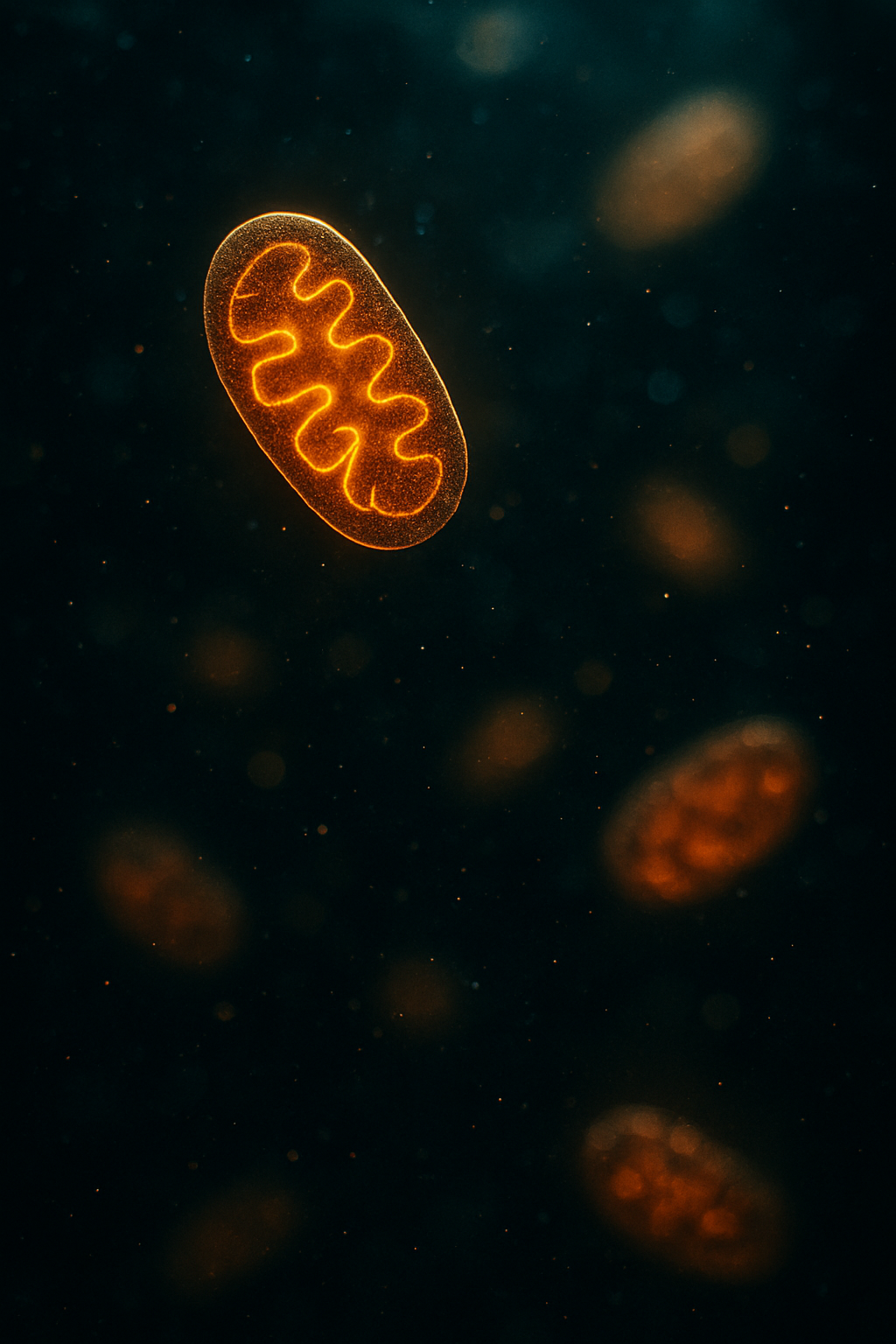
PQQ is also an exceptionally stable redox-active compound, able to catalyze thousands of electron transfer reactions without breaking down, whereas most antioxidants are consumed after a single reaction. It occurs naturally in fermented soybeans (natto), parsley, green tea, and human breast milk, but at concentrations far below what's used in the clinical trials showing cognitive and cardiovascular effects.
Cognitive Function
A 2016 randomized, double-blind, placebo-controlled trial published in the Journal of Nutritional Science and Vitaminology gave adults 20mg of PQQ daily for 12 weeks and found improvements in working memory and processing speed relative to placebo, alongside changes in EEG readings consistent with reduced cognitive fatigue. A separate 2010 study combining PQQ with CoQ10 found the pairing outperformed either compound alone on measures of short-term memory in older adults, suggesting the two may work through complementary rather than redundant pathways.
Cardiovascular and Metabolic Markers
Human trials remain limited in number, but a small 2015 study found that PQQ supplementation reduced markers of inflammation, including C-reactive protein and IL-6, over eight weeks. Animal research consistently shows protection against oxidative damage in cardiac tissue following ischemic events, though this hasn't yet been replicated in human cardiac patients. The honest summary: the cardiovascular case for PQQ is promising but built on a thinner evidence base than the cognitive research.
PQQ vs. CoQ10 vs. NAD+ Precursors
These three are often grouped together in "mitochondrial health" marketing, but they aren't interchangeable. CoQ10, particularly in its reduced ubiquinol form, is the most directly evidenced for supporting existing mitochondrial energy output and cardiovascular health. NAD+ precursors like nicotinamide riboside address a different bottleneck: the coenzyme pool mitochondria need to run oxidative phosphorylation, which declines measurably with age. PQQ's niche is upstream of both — encouraging the cell to build more mitochondrial mass in the first place. There's a reasonable case for stacking all three rather than picking one, since they don't compete for the same mechanism.
Dosing and Safety
Clinical trials have generally used 10 to 20mg of PQQ daily, taken with food. Side effects reported in trials have been mild and infrequent — primarily headache or minor gastrointestinal discomfort at the upper end of the dosing range. PQQ has Generally Recognized As Safe (GRAS) status from the FDA for use in food, though long-term supplementation data beyond a few months is still sparse. As with any compound where the long-term human trial base is thin, it's worth discussing with a physician if you're on medication for blood pressure or are pregnant or breastfeeding.
Quality varies. Look for products listing BioPQQ specifically, the patented, purified form used in most of the clinical research, rather than generic "PQQ disodium salt," which has less standardization data behind it.
These are affiliate links — if you purchase, we earn a small commission at no cost to you. We only list products we've researched and believe in. Read our disclosure.