
Nattokinase: What the Research Says About This Blood Flow Enzyme
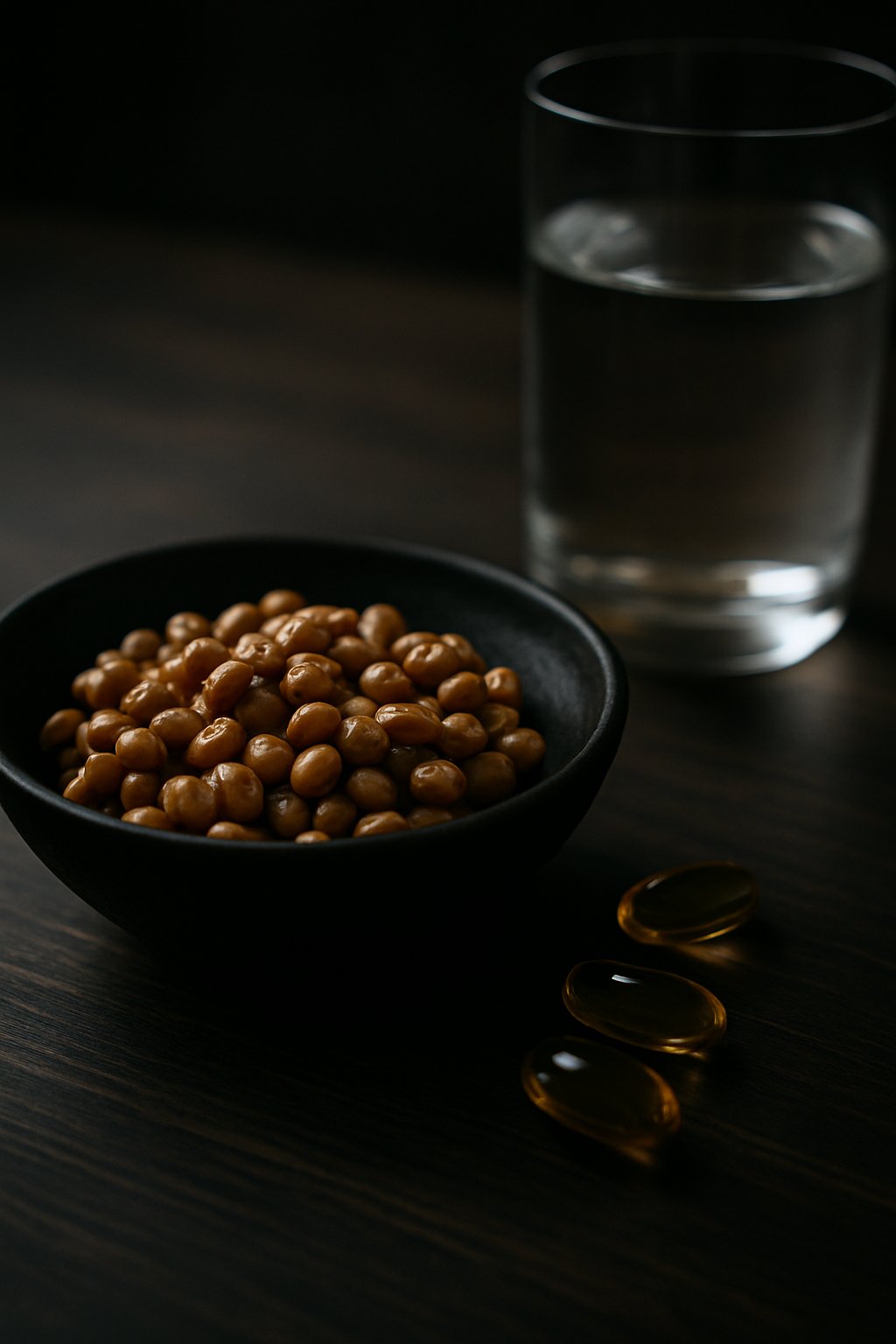
Nattokinase is an enzyme extracted from natto, a fermented soybean dish that has been a staple of the Japanese breakfast table for centuries. It was isolated in 1980 by Dr. Hiroyuki Sumi, a researcher who screened 173 natural foods for fibrin-dissolving activity and found natto's fermentation byproduct outperformed every other candidate. Since then it has become one of the more studied fibrinolytic enzymes in circulation research, though the marketing around it frequently outpaces what the trials actually show.
What Nattokinase Actually Does
Fibrin is the structural protein that forms blood clots. Under normal conditions, your body breaks down fibrin through an enzyme called plasmin as part of routine clot maintenance. Nattokinase appears to support this fibrinolytic pathway directly — it can degrade fibrin in vitro and has been shown to increase markers of fibrinolytic activity in human blood samples. This is mechanistically distinct from blood-thinning drugs like warfarin, which work by blocking clotting factor synthesis rather than breaking down existing fibrin.
The Blood Pressure Evidence
The most frequently cited human trial is a randomized, controlled study published in Hypertension Research in 2008, which gave adults with elevated blood pressure a daily nattokinase capsule for eight weeks. The supplemented group saw systolic pressure drop by roughly 5.5 mmHg and diastolic pressure drop by roughly 2.8 mmHg relative to the placebo group. The proposed mechanism is a mild ACE-inhibitory effect — similar in direction to what blood pressure medications do, though far smaller in magnitude. It's a real, published finding, but it's a single mid-sized trial, not a large-scale confirmation, and it shouldn't be read as a substitute for prescribed blood pressure treatment.
Circulatory Support: Where the Evidence Gets Thinner
A 2017 review in International Journal of Molecular Sciences summarized nattokinase's antithrombotic potential, describing it as an oral compound with fibrin-degrading and mild anticoagulant properties worth further clinical investigation. That's a more cautious framing than most supplement marketing uses. There is not strong evidence that nattokinase can dissolve an existing clot or meaningfully reduce cardiovascular event risk in humans — the research base is mechanistic and preliminary, built mostly on small trials and lab studies rather than large outcome trials. Nattokinase's fibrinolytic activity is real and measurable — the leap to disease prevention claims is where the evidence thins out.
Who Should Be Careful
Because nattokinase has mild anticoagulant activity, it should not be combined with blood-thinning medications such as warfarin, apixaban, or clopidogrel, or with high-dose fish oil and other supplements that affect clotting, without a physician's input. It's also generally advised to stop use at least two weeks before any scheduled surgery, and to avoid it if you have a bleeding disorder or are pregnant or breastfeeding. This is one supplement category where "natural" doesn't mean risk-free — talk to your doctor if you're on any cardiovascular medication before starting.
Dosing and What to Look For
Nattokinase is measured in Fibrinolytic Units (FU) rather than plain milligrams, and potency varies significantly between raw milligram weight and actual enzymatic activity. Most studied doses fall in the 2,000 FU range, taken once or twice daily, generally on an empty stomach to reduce interference from dietary protein. Look specifically for products that disclose FU activity on the label — not just capsule weight — and ideally use the NSK-SD strain, which is the one most consistently used in published research. Allergy Research Group's NSK-SD formula is one of the few widely available products that names the specific clinical strain.
These are affiliate links — if you purchase, we earn a small commission at no cost to you. We only list products we've researched and believe in. Read our disclosure.