
Marcus Aurelius on Mornings: The Stoic Protocol That Still Works
Marcus Aurelius was, by most historical accounts, an extraordinarily effective ruler. He governed the largest empire in the Western world during a plague, multiple wars, and persistent political instability — for nearly two decades. The Meditations, written entirely as private notes to himself, give us an unusual window into his actual mental practice. His morning protocol, scattered across multiple entries, is more structured than it first appears.
The Pre-Mortem Practice
One of the most frequently cited passages from the Meditations is the opening of Book II: "When you wake up in the morning, tell yourself: The people I deal with today will be meddling, ungrateful, arrogant, dishonest, jealous, and surly."
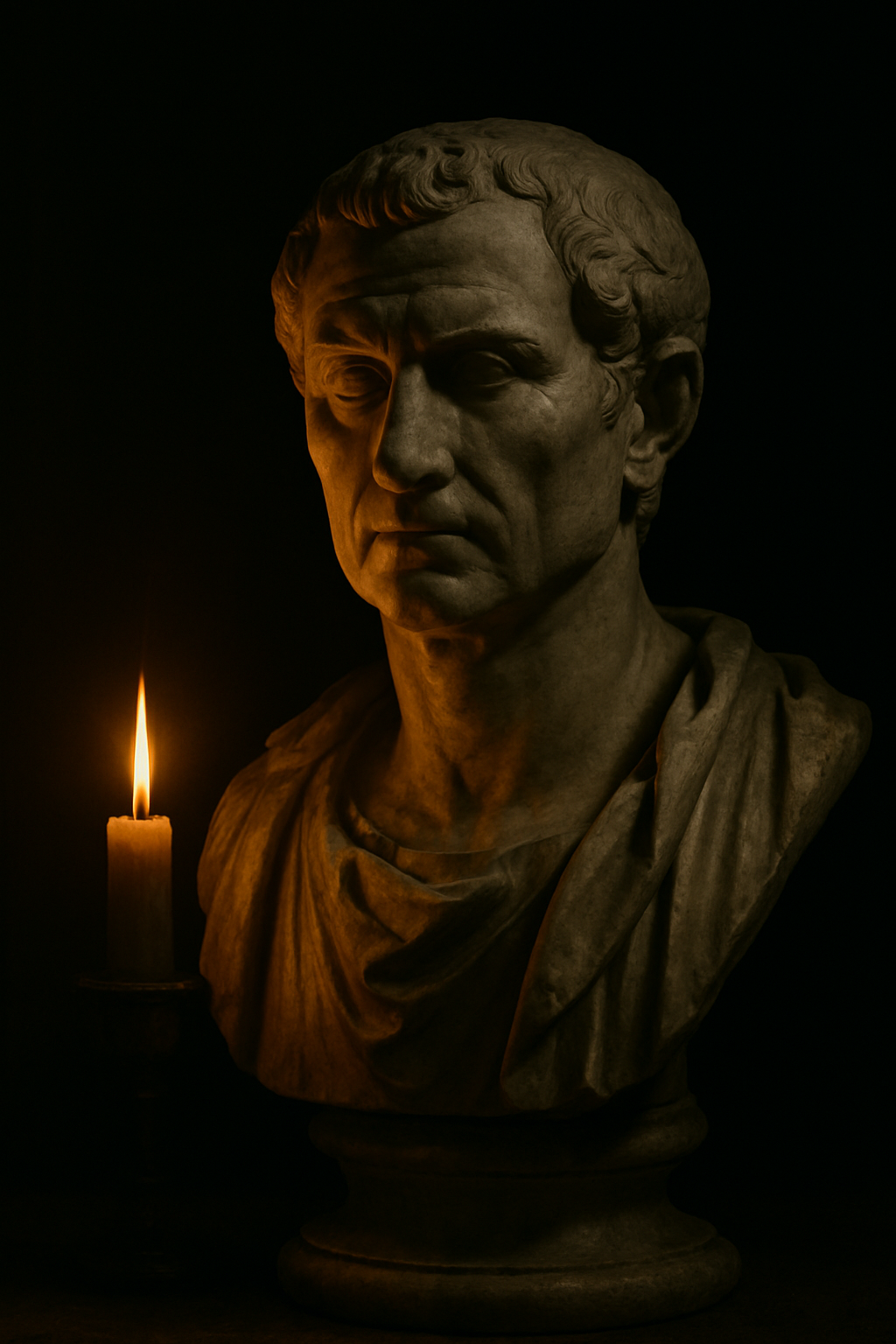
This is widely misread as pessimism. It isn't. It's a pre-mortem — a cognitive technique later formalized by psychologist Gary Klein and now taught in executive leadership programs. By mentally rehearsing difficult scenarios before they occur, you reduce their emotional impact when they happen. You've already processed them. The Stoics called this premeditatio malorum — premeditation of evils.
The passage continues: "But I have seen the beauty of good, and the ugliness of evil, and have recognized that the wrongdoer has a nature related to my own." Marcus isn't dwelling in negativity. He's separating emotional reactivity from the recognition of shared humanity.
Memento Mori as Motivation
The Meditations return repeatedly to mortality — not morbidly, but as a focusing mechanism. "You could leave life right now. Let that determine what you do and say and think." Modern research on mortality salience (the awareness of one's death) consistently shows it redirects attention toward what the person values most deeply — away from trivial anxieties and status concerns.
Marcus used this deliberately. Each morning was framed as potentially the last — not to induce despair, but to strip away the irrelevant. A morning reflection: what actually matters today? has different answers when the finite nature of time is genuinely present.
The Role of the Journal
The Meditations were never intended for publication. They are raw notes — sometimes mid-thought, sometimes repetitive, often addressed to himself in the second person ("you"). He was using writing as a cognitive tool: to examine his own reasoning, hold himself to his stated values, and process the gap between his ideals and his actual behavior.
Research on expressive writing (particularly from James Pennebaker at UT Austin) has consistently shown that structured journaling reduces cortisol, improves immune function, and increases psychological resilience over weeks. Marcus was doing something structurally similar — in the 2nd century.
What to Actually Do
The practical modern version: five minutes on waking, before screens. Three questions written briefly: What is one thing that could go wrong today, and how would I respond to it? What actually matters today — not what feels urgent? What am I assuming about someone that I haven't examined?
It's not ritual for its own sake. It's pre-loading your values into working memory before the noise begins. A quality journal matters: the Leuchtturm1917 is the standard for a reason — numbered pages, quality paper, and an elastic closure that keeps it closed until you're ready.
These are affiliate links — if you purchase, we earn a small commission at no cost to you. We only list products we've researched and believe in. Read our disclosure.