
Lactoferrin: What the Research Says About Immunity, Iron, and Gut Health
Lactoferrin is an iron-binding glycoprotein found in highest concentration in colostrum — the first milk produced after birth — and at lower levels in tears, saliva, and mucosal secretions throughout life. It's one of the few compounds that does double duty in the immune system: it starves invading bacteria of the iron they need to replicate, while separately signaling to immune cells to ramp up their response. Supplement interest has grown as researchers have moved from describing what lactoferrin does in a test tube to running actual controlled trials in humans.
How It Actually Works
Most antimicrobial supplements work by directly killing pathogens. Lactoferrin works differently — it's bacteriostatic rather than purely bactericidal for many organisms, meaning it starves rather than poisons. Iron is essential for bacterial replication, and lactoferrin binds free iron with extremely high affinity, denying pathogenic bacteria the substrate they need while leaving beneficial, iron-independent gut flora largely undisturbed. Separately, fragments of lactoferrin produced during digestion (notably lactoferricin) have direct antimicrobial activity against bacterial cell membranes.
Iron Status Without the Gut Distress
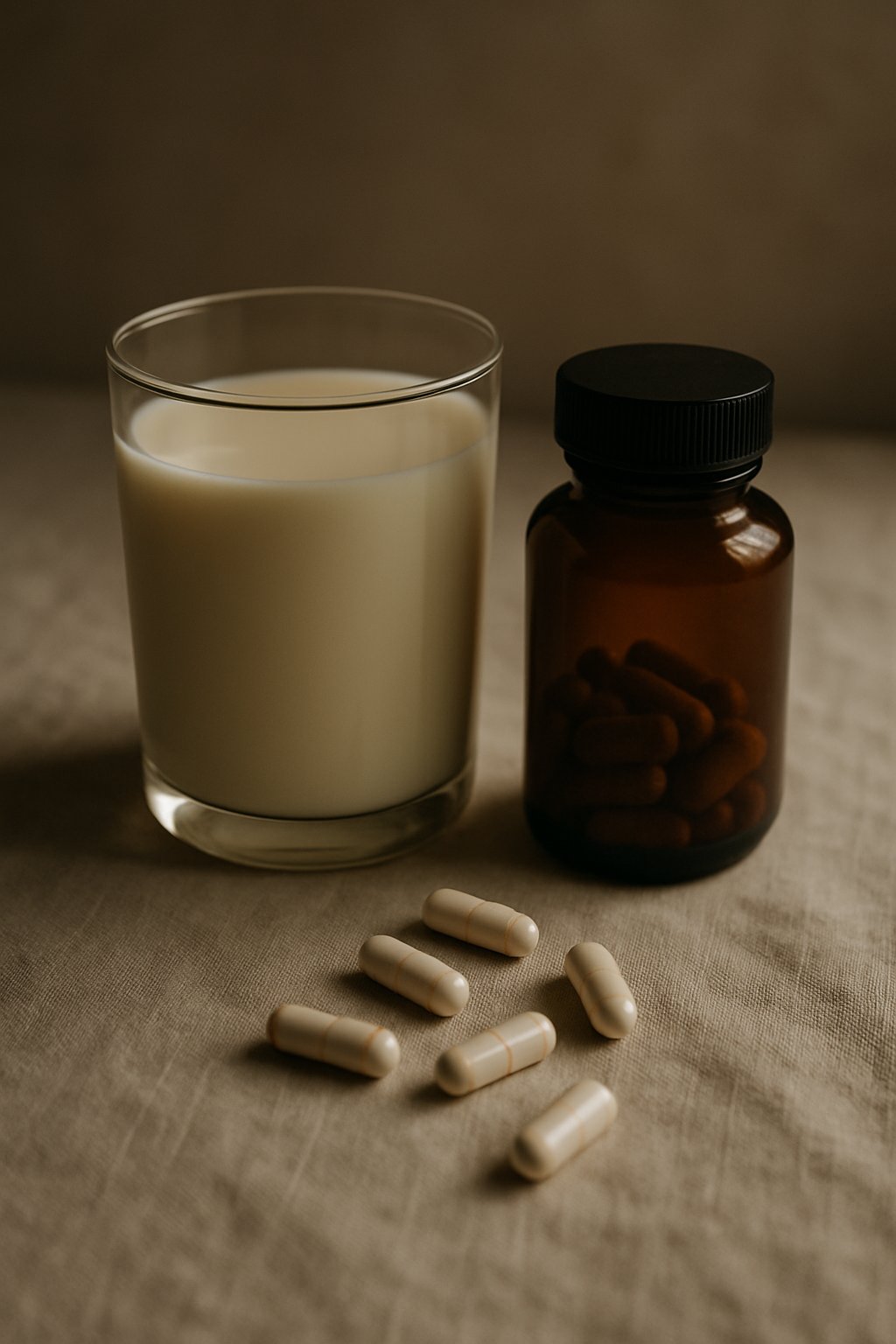
One of the more practically useful findings involves iron-deficiency anemia. A study published in BioMetals by Paesano and colleagues compared oral bovine lactoferrin against standard ferrous sulfate supplementation in pregnant women with iron-deficiency anemia. Lactoferrin normalized hemoglobin and serum iron markers as effectively as ferrous sulfate, but with markedly fewer gastrointestinal side effects — a meaningful distinction, since GI intolerance is the main reason people stop taking iron supplements. The mechanism appears related to lactoferrin regulating iron absorption at the intestinal receptor level rather than flooding the gut with free iron.
Gut Microbiome Effects
Lactoferrin has documented prebiotic-like properties. Because it sequesters iron that many pathogenic and opportunistic bacteria depend on, while Bifidobacteria and Lactobacillus species are comparatively iron-independent, supplementation tends to shift gut flora composition toward these beneficial strains. This is part of why lactoferrin is a standard additive in infant formula manufacturing — it's one of the compounds researchers point to when explaining why breastfed infants tend to have more favorable gut flora than formula-fed infants on older formulations.
Antiviral Research
Lactoferrin's antiviral activity gained renewed research attention during the COVID-19 pandemic. A 2020 review in the International Journal of Antimicrobial Agents by Chang and colleagues summarized in vitro evidence that lactoferrin can interfere with viral attachment to host cell receptors, including for coronaviruses, by competing for the same heparan sulfate binding sites the virus uses to gain cell entry. This is mechanistic and in vitro evidence, not proof of clinical protection — but it's consistent with lactoferrin's decades-long reputation as a broad-spectrum antimicrobial rather than a single-pathogen treatment.
Dosing and What to Look For
Most clinical research uses 250–300mg of bovine lactoferrin daily, typically as apolactoferrin (the iron-free form, which has greater iron-binding capacity than the pre-saturated form). Look for freeze-dried processing, which better preserves the protein's structure than heat-dried alternatives. Jarrow Formulas Lactoferrin and Life Extension Lactoferrin both use freeze-dried apolactoferrin at doses matching the research range. Because lactoferrin is bovine-derived, it's not suitable for strict vegans, and although it's highly purified, people with a diagnosed dairy protein allergy should check with a physician before use.
These are affiliate links — if you purchase, we earn a small commission at no cost to you. We only list products we've researched and believe in. Read our disclosure.