
Forest Bathing (Shinrin-Yoku): The Evidence for Nature Therapy and Anxiety
Shinrin-yoku — literally "forest bathing" — was formalized as a public health term by Japan's Ministry of Agriculture in 1982, but the research testing whether it does anything measurable has mostly emerged in the past fifteen years. A 2019 systematic review and meta-analysis published in the International Journal of Biometeorology pooled studies measuring cortisol, the body's primary stress hormone, before and after forest exposure. The pooled effect: a 12 to 18 percent reduction in cortisol following short-term forest exposure, with forest groups showing significantly lower post-intervention cortisol than control groups in nearly every included study.
What the Mechanism Looks Like
The proposed mechanisms are more concrete than "nature is relaxing." Studies on urban populations exposed to forest environments found significant decreases in cortisol, blood pressure, heart rate, and sympathetic nervous system activity after just 20 minutes — the threshold at which the parasympathetic ("rest and digest") system begins to dominate over the sympathetic ("fight or flight") system. Some researchers also point to phytoncides — airborne organic compounds released by trees — which have been associated with increased natural killer cell activity in blood samples taken after forest exposure, though this line of evidence is less robust than the cortisol findings.
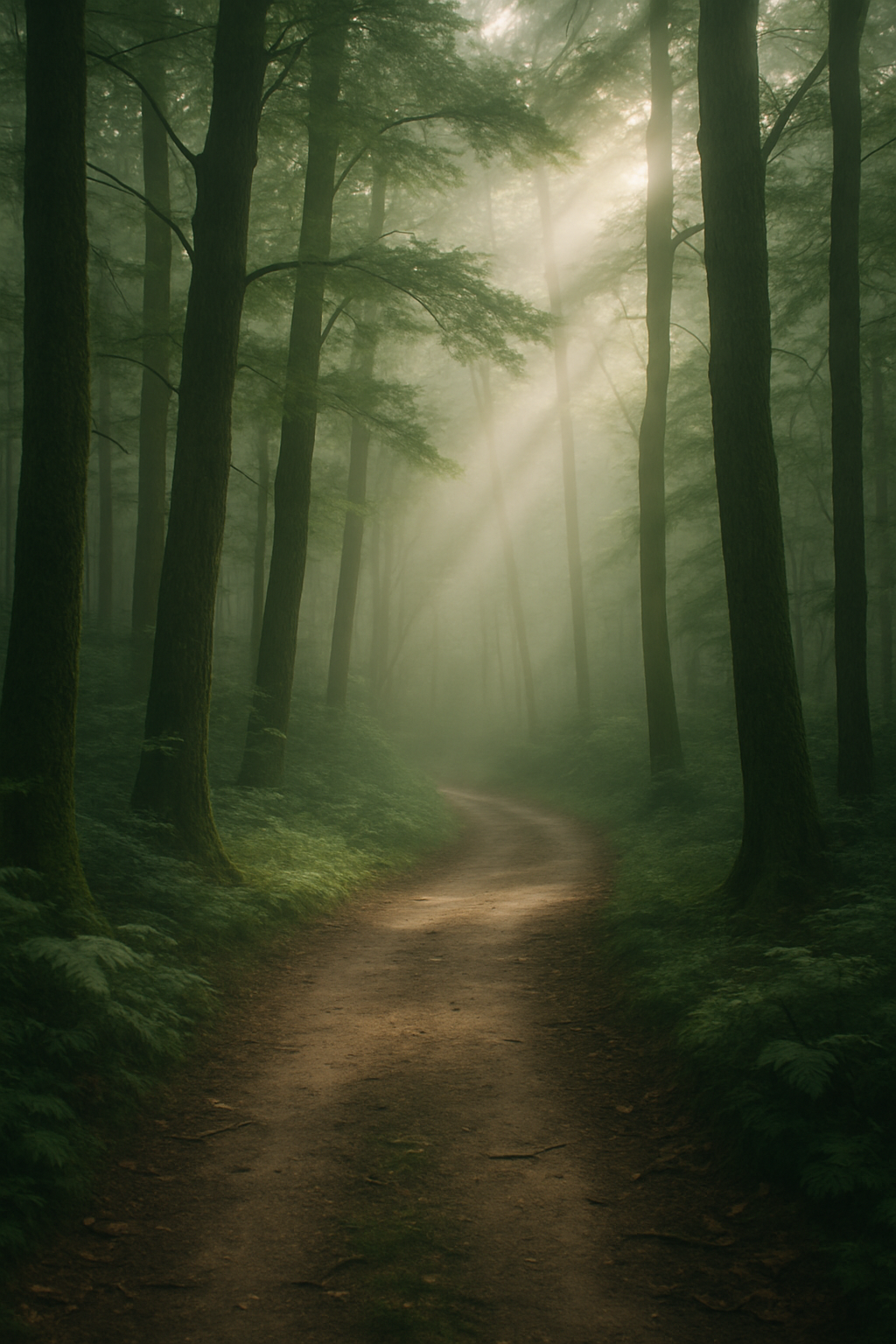
Anxiety and Depression Specifically
A registered randomized controlled trial (ClinicalTrials.gov NCT05743920) tested a self-help shinrin-yoku protocol specifically against depression, anxiety, and stress outcomes. Separately, a study on female participants with depression or depressive tendencies found measurable reductions in depressive symptom scores following forest bathing interventions. Not every trial has been clean: one randomized controlled trial found no statistically significant difference between pre- and post-test anxiety scores in the intervention group compared to control — even though participants overwhelmingly reported subjectively feeling less stressed and more mentally well afterward. That gap between subjective relief and inconsistent objective measurement is common in nature-therapy research and is worth holding onto rather than ignoring.
A randomized controlled trial on physician and healthcare worker burnout tested a shinrin-yoku intervention directly against a demographic with chronically elevated occupational stress, adding to the evidence that the effect isn't limited to already-relaxed populations sampled in a park on a weekend.
What Counts as "Doing It Right"
Forest bathing is not the same as hiking. The research protocols involve slow, unhurried walking — often under 1 kilometer over one to two hours — with deliberate sensory engagement: noticing texture, sound, temperature, and smell rather than working toward a destination or pace goal. Most studied protocols run 20 minutes to 2 hours per session. Books like Forest Bathing by Dr. Qing Li — the physician who has run much of this research through the Nippon Medical School — lay out the specific sensory practices used in the clinical studies, distinguishing them from ordinary outdoor exercise.
Dose and Frequency
Effects on cortisol tend to be acute rather than lasting from a single session — most studies measure outcomes immediately or within hours of exposure, not weeks later. This suggests forest bathing functions more like a repeatable stress-reduction tool than a one-time cure, similar to exercise or meditation. Researchers studying urban dwellers found benefits from sessions as short as 20 minutes, meaning a nearby park with substantial tree cover can substitute for a genuine forest if consistency matters more than depth of immersion.
Getting Started Without Access to a Forest
If you don't live near woodland, the research on urban green space suggests any area with meaningful tree density and reduced ambient noise produces a comparable, if smaller, effect. Comfortable, broken-in footwear that lets you walk slowly for an hour without foot fatigue matters more than most people expect — discomfort undermines the slow, sensory-focused pacing the protocols depend on. Merrell Moab 3 hiking shoes are a reasonable, well-reviewed option for this. For a deeper dive into why time outdoors affects cognition and mood beyond the cortisol data, The Nature Fix by Florence Williams covers the broader research landscape, including studies from Korea, Finland, and the US.
These are affiliate links — if you purchase, we earn a small commission at no cost to you. We only list products we've researched and believe in. Read our disclosure.