
Creatine Monohydrate: The Most Evidence-Backed Supplement in Sports Science
No supplement in sports science has accumulated as much supporting evidence as creatine monohydrate. Over 500 peer-reviewed studies, multiple meta-analyses, and a safety record spanning three decades have made it the rare supplement where the scientific consensus and popular recommendation actually align. Yet misconceptions persist — about loading, kidney damage, hair loss, and who actually benefits. The evidence is clear enough that most of these concerns deserve direct answers.
The Mechanism
Creatine is a naturally occurring compound synthesized from arginine, glycine, and methionine, primarily in the liver and kidneys. The body stores creatine as phosphocreatine in skeletal muscle. During high-intensity effort lasting one to ten seconds — a sprint, a max-effort lift, an explosive movement — phosphocreatine donates its phosphate group to ADP, regenerating ATP. This is the ATP-PCr system, and it is the primary energy pathway for any maximal effort under approximately ten seconds.
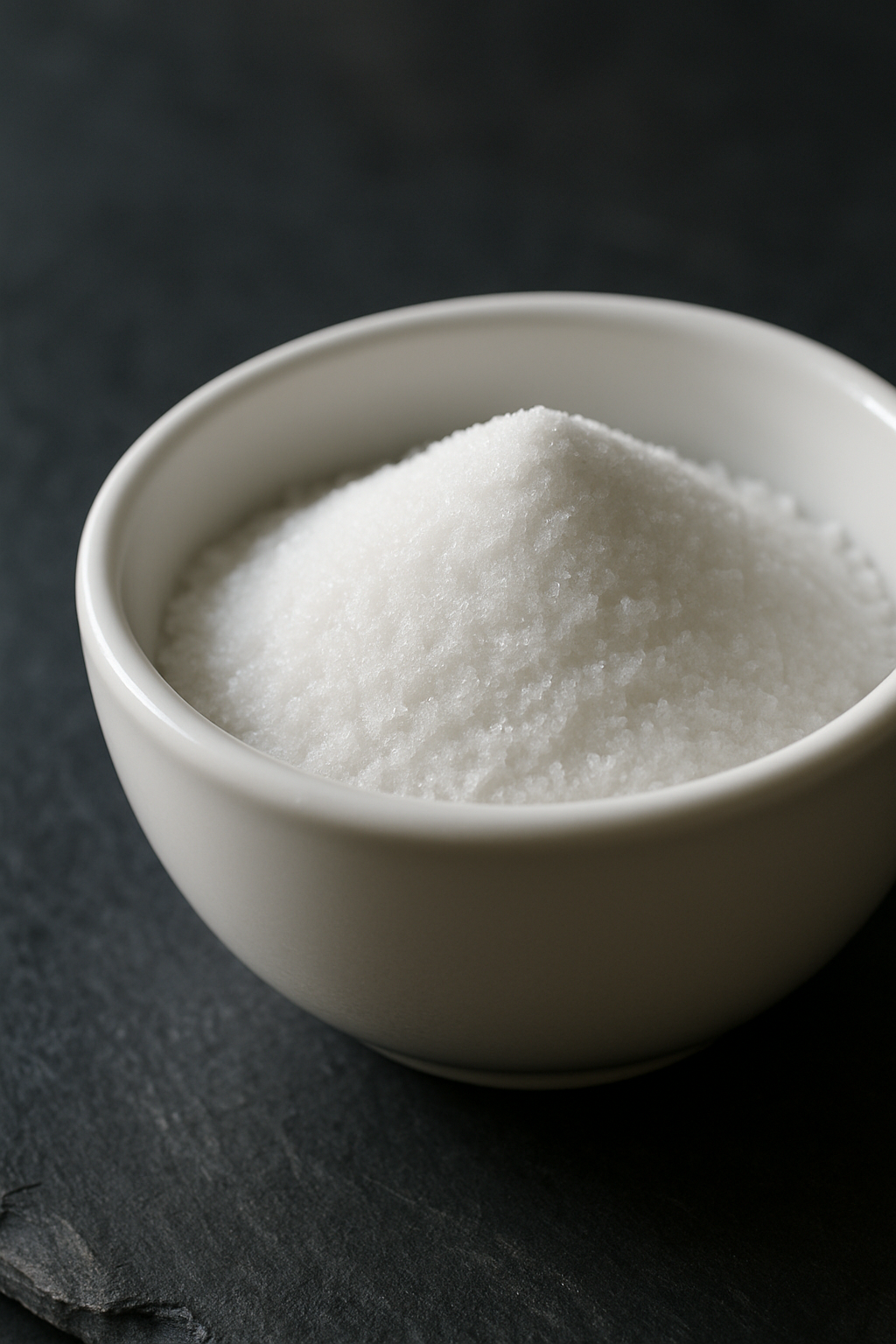
Supplementation saturates muscle phosphocreatine stores beyond their baseline level. The average person operating on a typical omnivorous diet is running at roughly 60–80% of maximum phosphocreatine saturation. Creatine supplementation brings this closer to full saturation, which translates directly into more ATP availability during high-intensity efforts and faster phosphocreatine resynthesis between sets.
What the Evidence Shows for Strength and Power
The International Society of Sports Nutrition position stand on creatine (Kreider et al., 2017, Journal of the International Society of Sports Nutrition) reviewed over 300 studies and concluded that creatine monohydrate is the most effective ergogenic nutritional supplement available for increasing high-intensity exercise capacity and lean body mass during training. This is not a marginal effect. Meta-analyses consistently show strength gains 8–14% above training alone over equivalent time periods, with single-rep max improvements averaging around 5–15% across compound lifts.
The mechanism favoring resistance training specifically: more phosphocreatine means you can do more total work per session at the same relative intensity. An extra rep or two per set across multiple exercises, sustained over months, compounds into substantially greater cumulative training volume — and training volume is the primary driver of hypertrophy and strength adaptation. The creatine effect on muscle gain is partly direct and partly mediated through this volume increase.
Cognitive and Neurological Effects
Creatine is not only a muscle supplement. The brain consumes approximately 20% of the body's energy despite representing only 2% of body weight, and it relies on phosphocreatine buffering during cognitively demanding or stressful tasks. A 2003 randomized double-blind crossover study by Rae et al. (Psychopharmacology) found that oral creatine supplementation for six weeks produced significant improvements in working memory and intelligence test performance, particularly under conditions of sleep deprivation and cognitive load. A 2021 meta-analysis in Nutritional Neuroscience confirmed the effect on working memory across multiple study designs.
The implication is particularly relevant for vegetarians and vegans, who obtain little dietary creatine (meat is the primary dietary source) and who show greater cognitive response to supplementation. This is documented in the Rae et al. study and has been replicated in subsequent work targeting plant-based populations specifically.
Addressing the Safety Questions
The kidney concern has been studied directly. A 2019 review in the Journal of the International Society of Sports Nutrition concluded that there is no evidence that creatine supplementation causes kidney damage in healthy individuals at recommended doses. The concern originated from elevated creatinine levels appearing in bloodwork during creatine use — but creatinine is simply the metabolic breakdown product of creatine, and elevated creatinine from supplementation does not indicate renal dysfunction. Clinical markers of kidney function (GFR, BUN-to-creatinine ratio, serum cystatin C) remain normal in all reviewed studies.
The 5-alpha-reductase and DHT hypothesis regarding hair loss has a single study basis (Rahnema et al., 2009, Clinical Journal of Sport Medicine), which measured a rise in DHT relative to testosterone in rugby players, but did not measure hair loss as an endpoint. The evidence base for this concern is extremely thin relative to the volume of contradicting data from hundreds of longer trials. Those with a strong family history of male pattern baldness may choose to weigh this individually; the data does not support it as a population-level concern.
Dosing: Loading vs. Maintenance
Loading protocols (20g/day for 5–7 days, divided into four doses) saturate muscle creatine stores rapidly, typically within one week. Maintenance protocols (3–5g/day) achieve the same saturation level over three to four weeks. The endpoint is identical — the difference is only how quickly you get there. For most purposes, a maintenance dose of 3–5g/day is sufficient and avoids the GI discomfort some people experience from loading doses.
Timing relative to exercise has shown marginal effects in some studies but none in others. The practical recommendation: take it consistently, at any time that fits your routine. Creatine's effect comes from chronic saturation, not acute timing. Both Optimum Nutrition Micronized Creatine and Thorne Creatine are NSF-tested creatine monohydrate products. Micronization improves mixability but does not change the creatine itself — any unflavored monohydrate powder from a verified manufacturer is equivalent.
Forms and What to Ignore
Creatine ethyl ester, creatine HCl, buffered creatine (Kre-Alkalyn), and various proprietary blends all sell at significant premiums over creatine monohydrate. None has outperformed monohydrate in direct comparative trials. A 2012 study in the Journal of the International Society of Sports Nutrition comparing creatine monohydrate and creatine HCl found no difference in muscle creatine saturation or performance outcomes despite a substantially higher per-gram cost for HCl. Bigger Leaner Stronger by Michael Matthews covers the full landscape of supplement evidence in accessible form, with creatine monohydrate consistently ranked in his evidence tier 1 alongside only a handful of other compounds.
The supplement industry's incentive to market novel creatine derivatives is clear. The evidence incentive points in exactly one direction: pure creatine monohydrate, 3–5g daily, from a third-party tested source.
These are affiliate links — if you purchase, we earn a small commission at no cost to you. We only list products we've researched and believe in. Read our disclosure.