
CoQ10: Mitochondrial Energy, Statins, and What the Research Says
Every cell in the human body runs on ATP — adenosine triphosphate, the universal energy currency. Coenzyme Q10, or CoQ10, is the molecule that makes ATP production possible. It sits at the center of the mitochondrial electron transport chain, shuttling electrons between complexes I, II, and III. Without adequate CoQ10, cellular energy production slows measurably. The heart, brain, and skeletal muscles — the highest energy-demand tissues in the body — are the first to show it.
What CoQ10 Actually Does
CoQ10 functions in two distinct roles. As a component of the electron transport chain, it is essential for oxidative phosphorylation — the process by which mitochondria generate approximately 90 percent of a cell's ATP. As a fat-soluble antioxidant, it protects mitochondrial membranes from oxidative damage caused by reactive oxygen species generated during normal metabolism. These two roles are interdependent: CoQ10 deficiency increases oxidative stress, which further impairs mitochondrial function in a self-reinforcing cycle.
The body synthesizes CoQ10 endogenously through a complex 17-step biosynthetic pathway. This synthesis declines with age — plasma CoQ10 levels in adults over 60 are measurably lower than in adults under 30. Peak endogenous production occurs roughly in the second decade of life and falls by an estimated 50 percent by age 80, according to a 2015 review in the journal BioFactors.
The Statin Connection
Statins — the most widely prescribed class of drugs in the world — inhibit HMG-CoA reductase, the enzyme responsible for cholesterol synthesis. This same pathway is required for CoQ10 biosynthesis, because both cholesterol and CoQ10 share a common precursor: mevalonate. Statins therefore suppress endogenous CoQ10 production in a dose-dependent manner. A 2015 meta-analysis in the journal Nutrition found that statin therapy reduced plasma CoQ10 by an average of 40 percent across all statin types studied.
Statin-associated muscle symptoms — myalgia, weakness, and in rare cases myopathy — affect an estimated 5 to 29 percent of patients, with rates varying by study design and statin type. The mechanistic link to CoQ10 depletion is biologically plausible and has been demonstrated in animal models. Human trial results have been mixed: some randomized controlled trials show meaningful symptom reduction with supplementation, others do not. What is consistently supported is that supplementation safely restores plasma CoQ10 to pre-statin levels. For statin users, this makes CoQ10 a reasonable, low-risk adjunct with reasonable biological rationale.
Ubiquinol vs Ubiquinone: Which Form?
CoQ10 exists in two interconvertible redox forms. Ubiquinone is the oxidized form — what most supplements contained until the early 2000s. Ubiquinol is the reduced, active antioxidant form that predominates in human plasma (approximately 95 percent of circulating CoQ10 is ubiquinol). The debate about which to supplement with centers on bioavailability.
A 2014 study in Regulatory Toxicology and Pharmacology found ubiquinol produced significantly higher plasma CoQ10 concentrations than ubiquinone at equivalent doses in elderly subjects. The difference in younger adults appears smaller — the body efficiently converts ubiquinone to ubiquinol, but this conversion efficiency likely declines with age. For adults under 40, standard ubiquinone at 100–200mg is well-supported. For adults over 50, or those with compromised conversion capacity (including statin users), Qunol Ubiquinol CoQ10 200mg is a relevant upgrade.
Cardiovascular Evidence
The Q-SYMBIO trial — a 2014 randomized, double-blind, placebo-controlled study published in JACC: Heart Failure — enrolled 420 patients with severe heart failure and found that CoQ10 300mg daily reduced major adverse cardiovascular events by 43 percent over two years compared to placebo. Cardiovascular-related mortality dropped from 9 percent to 5 percent in the CoQ10 group. These are some of the strongest outcome data for any supplement in a high-risk cardiac population.
For otherwise healthy adults, the cardiovascular evidence is more modest — primarily blood pressure reductions averaging 11/7 mmHg in hypertensive subjects, documented across multiple meta-analyses. These effects are relevant but not dramatic. CoQ10 is not a cardiovascular drug; it is an essential molecule that the body makes less of as it ages.
Exercise Performance
The exercise data on CoQ10 is more equivocal than cardiovascular data. A 2008 study in the Journal of the International Society of Sports Nutrition found that 300mg of CoQ10 daily for 8 weeks reduced exercise-induced oxidative stress and improved subjective fatigue in trained adults. A 2022 review in Antioxidants noted consistent findings of improved time-to-exhaustion and reduced perceived exertion, particularly at doses above 200mg. Effects appear most pronounced in older adults and in those who begin supplementation with lower baseline CoQ10 levels.
Dosing and Absorption
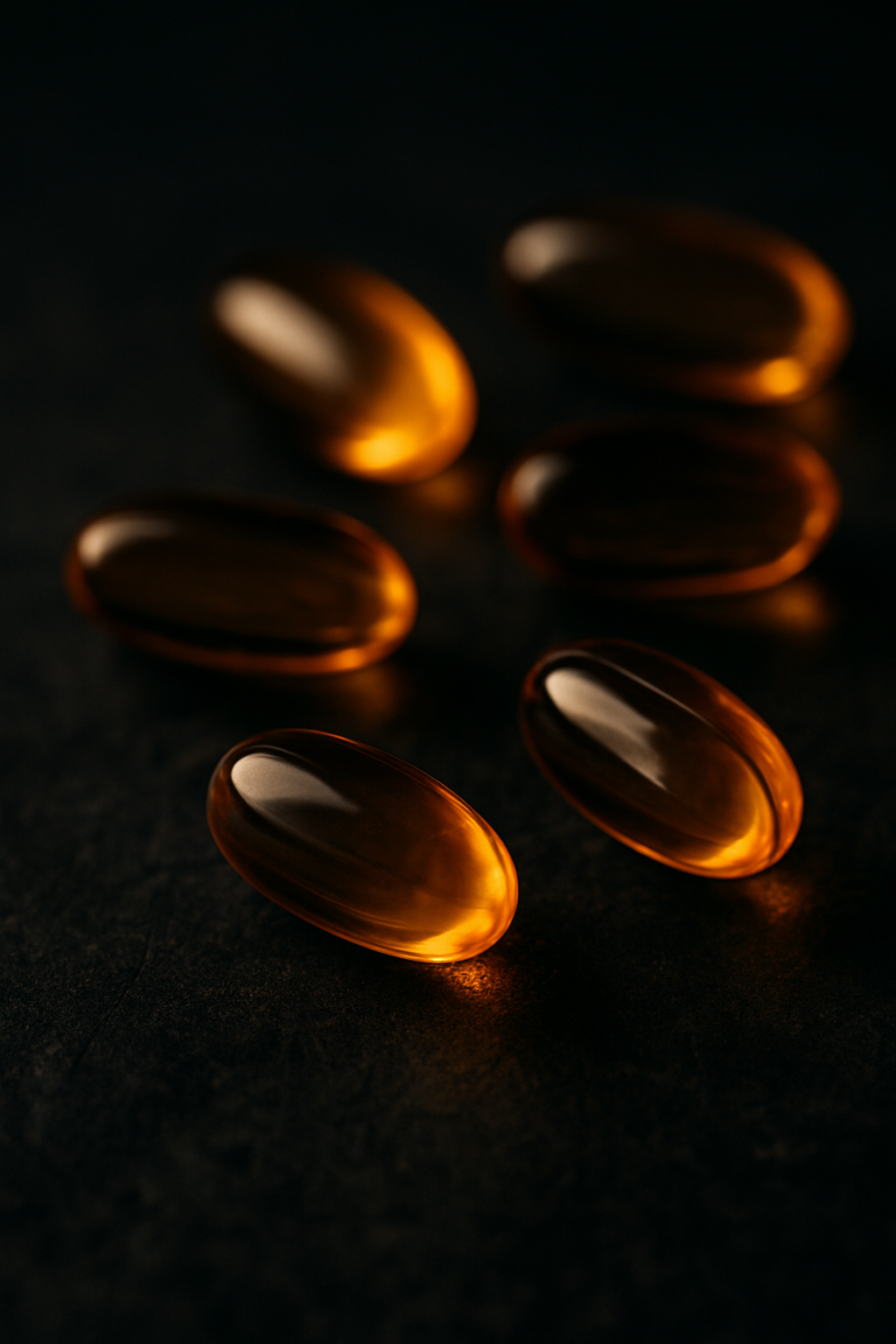
Standard research doses range from 100mg to 300mg per day for general use, with therapeutic doses in cardiac research often reaching 300–600mg. CoQ10 is fat-soluble: absorption is significantly enhanced when taken with a meal containing dietary fat. Softgel preparations consistently outperform powdered capsules in absorption studies. For higher doses, split dosing (morning and evening with meals) reduces peak-trough variability.
Doctor's Best CoQ10 400mg with BioPerine uses a patented black pepper extract shown to increase CoQ10 bioavailability by approximately 30 percent in clinical studies. This is one of the more studied absorption enhancement strategies for this molecule.
For those interested in the mechanistic science of CoQ10 and mitochondrial medicine, Lee Know's Mitochondria and the Future of Medicine remains one of the clearest overviews of CoQ10's role in the broader context of cellular energy and disease.