
Boron: The Overlooked Mineral for Bone and Hormone Health
Boron rarely comes up in conversations about minerals — there's no RDA for it in the United States, and most multivitamins either skip it or bury it in a proprietary blend. But trace amounts of boron are present in every fruit, vegetable, nut, and legume you eat, and a growing body of research suggests it plays a real, measurable role in how your body handles calcium, magnesium, vitamin D, and several hormones. The evidence is smaller and less mature than for something like magnesium, but it's specific enough to be worth understanding.
What Boron Actually Does
Boron doesn't function as a standalone nutrient the way calcium or iron does. Instead, it appears to act as a metabolic regulator — influencing how the body processes other minerals and steroid hormones. Research led by USDA scientist Forrest Nielsen through the 1980s and 1990s found that boron deprivation altered the metabolism of calcium, magnesium, and phosphorus, and that boron repletion changed circulating levels of estradiol and testosterone in controlled feeding studies. The mechanism isn't fully mapped, but boron is thought to interact with enzymes involved in steroid hormone synthesis and to slow the breakdown of vitamin D and estrogen in the liver.
Boron and Bone Density
The bone-related evidence for boron is the oldest and the most cited. Nielsen's 1987 study in postmenopausal women found that 3mg of daily boron supplementation reduced urinary excretion of calcium and magnesium by roughly 40 percent, and increased serum concentrations of 17-beta-estradiol and testosterone — both of which play a role in maintaining bone mineral density after menopause. A separate ecological comparison, published in Environmental Health Perspectives, noted that populations with higher dietary boron intake, such as parts of Israel, had markedly lower rates of arthritis than low-boron regions such as Mauritius, though this kind of population-level comparison can't establish causation the way a controlled trial can.
None of this makes boron a replacement for calcium, vitamin D, or resistance training when it comes to bone health. What it suggests is a supporting role — boron appears to help the body retain and use the minerals it already has, rather than acting as a bone-building nutrient in its own right.
Testosterone and Inflammation
A 2011 study published in the Journal of Trace Elements in Medicine and Biology by Naghii and colleagues gave healthy men 10mg of boron daily for one week and found a same-week increase in free testosterone alongside reductions in inflammatory markers including high-sensitivity C-reactive protein (hs-CRP) and TNF-alpha. It's a small, short trial — one week, modest sample size — and hasn't been widely replicated at that dose or duration, so the finding should be read as preliminary rather than settled. Longer studies with larger cohorts would be needed before boron could be recommended specifically as a testosterone-support supplement.
Dosing and Safety
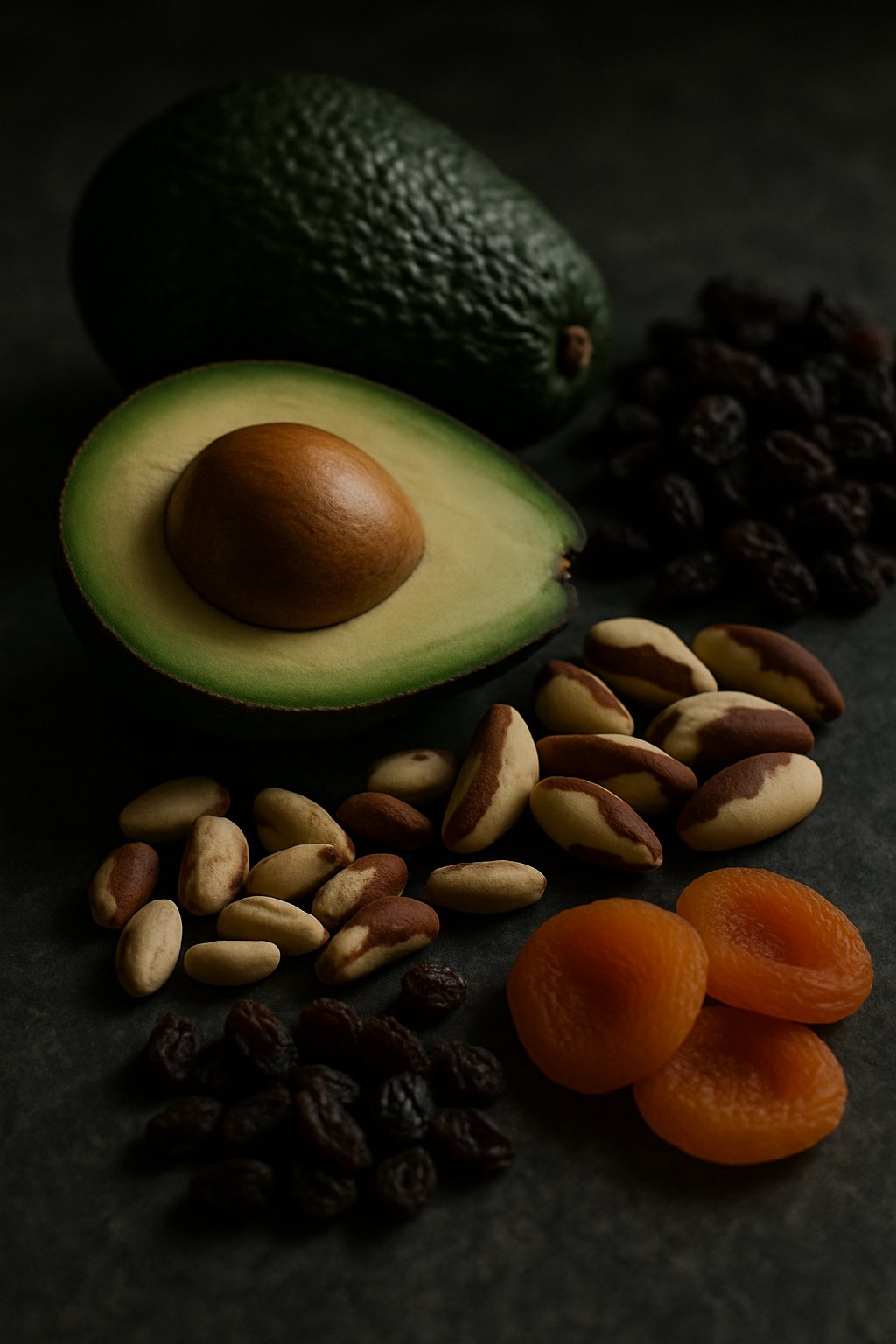
Typical dietary boron intake in Western countries runs between 1 and 3mg per day, mostly from fruit, avocados, nuts, legumes, and wine. Studies showing measurable effects on mineral metabolism and hormone markers have generally used 3–10mg per day. The European Food Safety Authority has set a tolerable upper intake level of about 20mg per day for adults; doses used in research stay well under that ceiling. Boron is not currently classified as an essential nutrient by U.S. regulatory bodies, so there's no official recommended daily intake — which is part of why it's so easy to overlook.
Quality Indicators
Boron supplements are typically sold as boron glycinate, citrate, or as boron amino acid chelate — all reasonably well-absorbed forms. Because doses are small (3–10mg), the raw material cost is low, so there's little reason to buy a product padded with unnecessary fillers. Pure Encapsulations Boron (Glycinate) is a clean, third-party-formulated option if you want a straightforward single-ingredient product without added binders.
These are affiliate links — if you purchase, we earn a small commission at no cost to you. We only list products we've researched and believe in. Read our disclosure.