
Ashwagandha for Stress and Anxiety: What the Research Shows
Ashwagandha has been used in Ayurvedic medicine for over 3,000 years. For most of that history, its benefits were anecdotal. Over the past two decades, researchers have subjected it to rigorous clinical trials — and the results are more consistent than most botanical supplements can claim. This is one of the better-studied adaptogens for psychological stress and anxiety, with a growing body of evidence that goes beyond placebo effects.
What Ashwagandha Actually Does
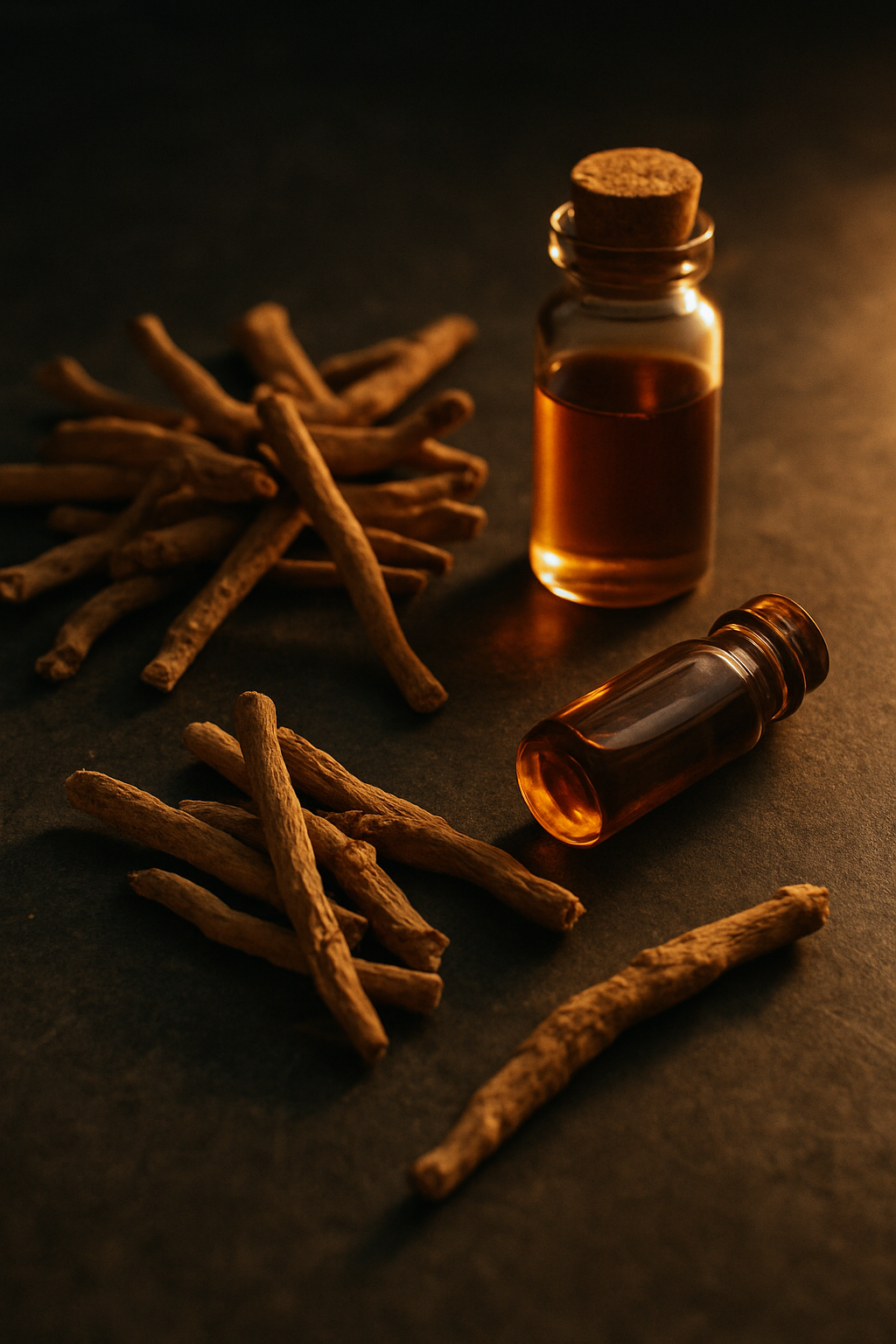
Ashwagandha (Withania somnifera) contains a class of compounds called withanolides — steroidal lactones that appear to be the primary bioactive constituents. The KSM-66 extract, which is the most studied standardized form, is made from root-only material and standardized to at least 5% withanolides. This matters because not all products on the market are equivalent; many use root-and-leaf blends or don't specify withanolide content, which makes comparison to clinical research impossible.
The mechanism isn't fully characterized, but current evidence points to several pathways. Withanolides modulate the hypothalamic-pituitary-adrenal (HPA) axis — the body's primary stress response system. They appear to reduce corticotropin-releasing hormone (CRH) signaling, which blunts the downstream cortisol spike that defines the acute stress response. There's also evidence of interaction with GABA-A receptors, which would explain some of the anxiolytic effects independent of cortisol.
The Cortisol Evidence
A double-blind, randomized, placebo-controlled trial published in the Indian Journal of Psychological Medicine (2012) enrolled 64 adults with chronic stress. Participants taking 300mg of KSM-66 ashwagandha root extract twice daily showed a 27.9% reduction in serum cortisol compared to 7.9% in the placebo group after 60 days. Perceived stress scores on the PSS-10 scale dropped by 44% versus 5.5% in controls. These are not subtle effects.
A more recent randomized trial in Medicine (2019) replicated this finding in a different population — adults aged 18–54 with self-reported moderate-to-high stress. The 240mg KSM-66 group showed significant reductions in cortisol, anxiety scores (HADS-A), and morning serum DHEA-S levels, with the authors concluding the effects were clinically meaningful.
Anxiety: Beyond Cortisol
Cortisol reduction explains part of the anxiety relief, but not all of it. A 2021 meta-analysis in the Journal of Ethnopharmacology pooled data from five randomized controlled trials (n=491) and found that ashwagandha supplementation produced statistically significant reductions in anxiety across multiple validated scales (GAD-7, STAI, HADS-A), with an effect size of -0.69 — moderate to large by clinical standards. No serious adverse events were reported across the pooled data.
The sleep improvements often reported alongside anxiety reduction are likely related. Chronic anxiety elevates basal cortisol and delays sleep onset; by damping HPA axis reactivity, ashwagandha appears to shorten the time between feeling stressed and being able to sleep.
Rhodiola as a Complement
Ashwagandha and rhodiola rosea address slightly different aspects of the stress response. Ashwagandha primarily works on HPA axis dysregulation — the cortisol machinery. Rhodiola works upstream, modulating monoamine neurotransmitters (dopamine, serotonin, norepinephrine) and reducing the perception of mental fatigue under load. A 2009 trial in Phytomedicine showed that rhodiola reduced symptoms of stress-induced burnout including fatigue, exhaustion, and anxiety after four weeks at 576mg/day.
The two can be taken together without known interactions. Some practitioners use ashwagandha as a baseline adaptogen and add rhodiola rosea during high-load periods — a rational approach given their complementary mechanisms.
Dosing and Timing
The majority of positive trials used either 300mg twice daily or 600mg once daily of KSM-66 standardized extract. Effects on stress and anxiety typically begin emerging after 4–8 weeks of consistent use, with cortisol reductions continuing through 12 weeks. Ashwagandha is fat-soluble, so taking it with a meal improves absorption modestly. There's no strong evidence for a specific time of day, though some people prefer the evening dose given its relaxing properties.
Cycling is sometimes recommended (e.g., 8 weeks on, 2 weeks off) to prevent tolerance, though clinical trials have not formally tested this. The safety profile at standard doses is well-established — the most common adverse effects are mild gastrointestinal discomfort, usually resolved by taking with food. Those with thyroid conditions or autoimmune disorders should consult a physician before use, as ashwagandha has mild thyroid-stimulating effects.
What to Look For on Labels
Verify that the product specifies KSM-66 or Sensoril (another well-researched extract), lists withanolide percentage (minimum 5%), and carries third-party testing certification. Products that simply say "ashwagandha root extract" without specifying the standardization are not validated by the clinical research cited here. NOW Foods L-Theanine with Inositol is a useful pairing with ashwagandha for those dealing with anxiety — theanine promotes alpha-wave activity in the brain and works within 30–60 minutes, while ashwagandha builds its effects over weeks.
These are affiliate links — if you purchase, we earn a small commission at no cost to you. We only list products we've researched and believe in. Read our disclosure.