
Altitude Training: Does It Actually Improve Performance?
"Altitude training" covers two very different things that get marketed almost identically: actually living or training at elevation, where the air genuinely contains less available oxygen, and wearing a resistance mask at sea level that restricts airflow through a valve. Only one of these reliably triggers the physiological adaptations endurance athletes are chasing — and it isn't the one sold at most gyms.
What Real Altitude Does
At elevations above roughly 2,000–2,500 meters, reduced barometric pressure lowers the partial pressure of oxygen in the blood. The kidneys respond by increasing erythropoietin (EPO) production, which stimulates the bone marrow to produce more red blood cells over the following weeks. The result, documented in Ben Levine and James Stray-Gundersen's influential "living high, training low" research published in the Journal of Applied Physiology (1997), is a genuine increase in hemoglobin mass and VO2 max in athletes who lived at altitude and trained at lower elevations. That model — sleeping high, training low — remains the gold standard because training intensity is hard to maintain when oxygen is actually scarce.
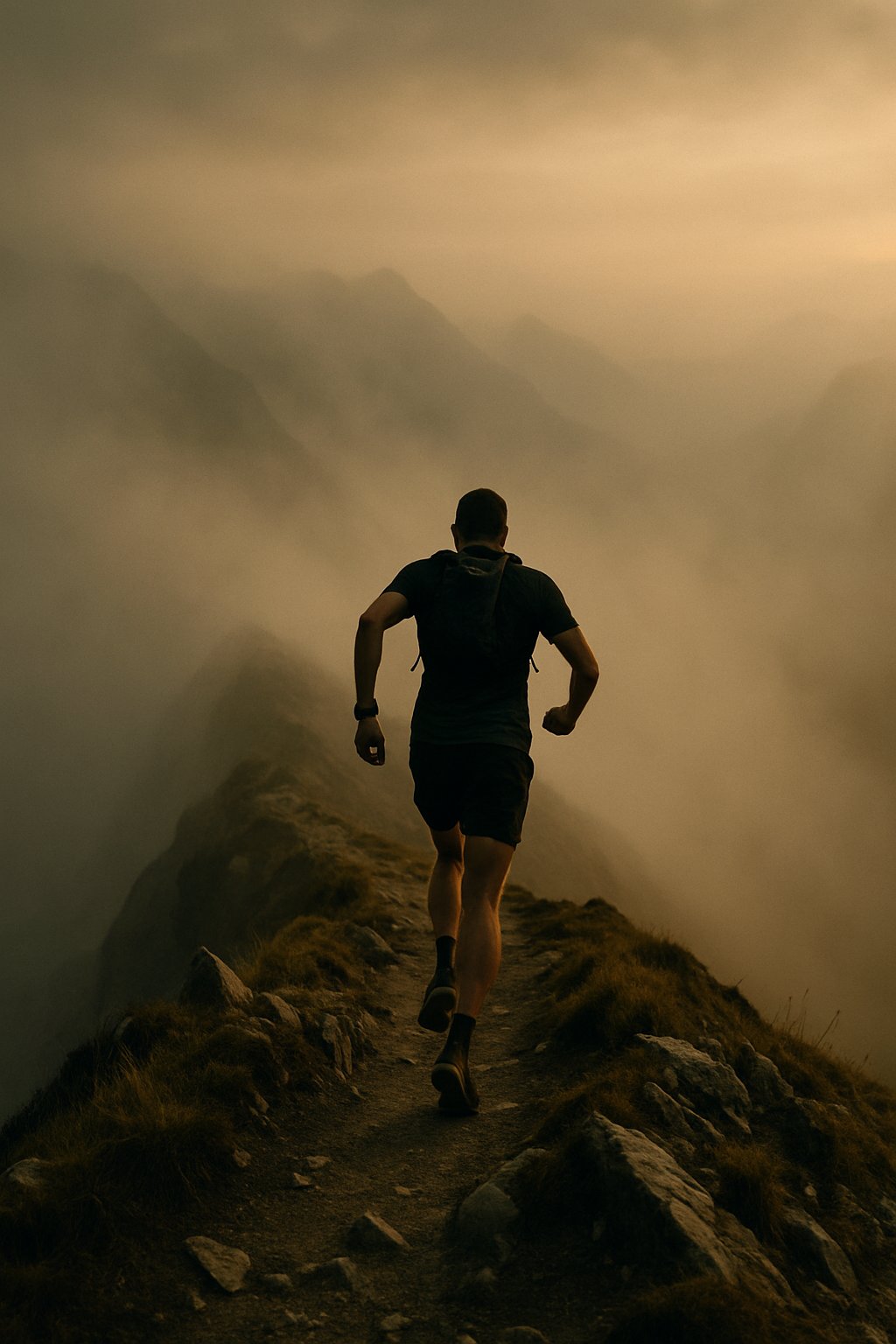
The catch is dose and duration. Meaningful hematological adaptation generally requires a minimum of two to three weeks of near-continuous exposure at sufficient altitude. Weekend trips to elevation or a few nights in a hotel don't hit the threshold; the adaptations are use-it-or-lose-it and fade within a few weeks of returning to sea level.
Elevation Training Masks: What the Evidence Actually Shows
Masks that restrict airflow through a valve do not lower the oxygen concentration of the air you breathe — they only make it harder to move air in and out, which is a different stimulus entirely. A study by Porcari and colleagues in the Journal of Sports Science & Medicine (2016) tested a commercial elevation mask against a control group over six weeks and found improvements in respiratory muscle strength and some measures of aerobic capacity, but no evidence of the blood-based adaptations (EPO, hemoglobin mass) that define true altitude acclimatization. In effect, a mask functions as inspiratory muscle training — a legitimate but narrower benefit than the "simulated altitude" framing implies.
That's not nothing. Respiratory muscle fatigue is a real limiter in endurance events, and stronger breathing muscles can modestly delay it. But athletes buying a training mask expecting altitude-style blood adaptations are chasing a mechanism the product doesn't deliver.
Real Alternatives: Hypoxic Tents and Normobaric Systems
Normobaric hypoxic systems — tents or masks connected to a nitrogen generator that actually lowers the oxygen fraction of inhaled air — can replicate some of the physiological stimulus of true altitude, and have supporting research for sleep-based protocols in endurance athletes. They're a legitimate middle ground between relocating to altitude and a resistance-only mask, though they're a significant investment and the response is individually variable; a meaningful subset of athletes are physiological "non-responders" who show little to no EPO or hemoglobin increase even with adequate hypoxic dose.
The Iron Connection
Ramped-up red blood cell production consumes iron quickly, and iron deficiency is one of the most common reasons athletes fail to adapt to altitude or hypoxic training despite doing everything else correctly. Research on iron status in altitude-training athletes, including work by Govus and colleagues, has found that low ferritin at the start of an altitude camp blunts the expected hemoglobin mass response. Checking ferritin before a training block — and correcting a deficiency with something like a well-absorbed iron supplement under guidance — is a more evidence-backed lever than the mask sitting in most gym bags.
Tracking Your Own Response
If you do train at genuine elevation, a pulse oximeter gives a cheap, immediate readout of blood oxygen saturation (SpO2) so you can see how your body is actually responding to the exposure, rather than assuming the elevation number on a map is doing the work for you.
These are affiliate links — if you purchase, we earn a small commission at no cost to you. We only list products we've researched and believe in. Read our disclosure.